
How to Inspect Used Cargo Trailers for Sale
A good used cargo trailer can save money, but hidden water damage, rust or brake issues can turn it into a costly mistake. Use this practical inspection guide to evaluate condition, towing fit and value before you make an offer.
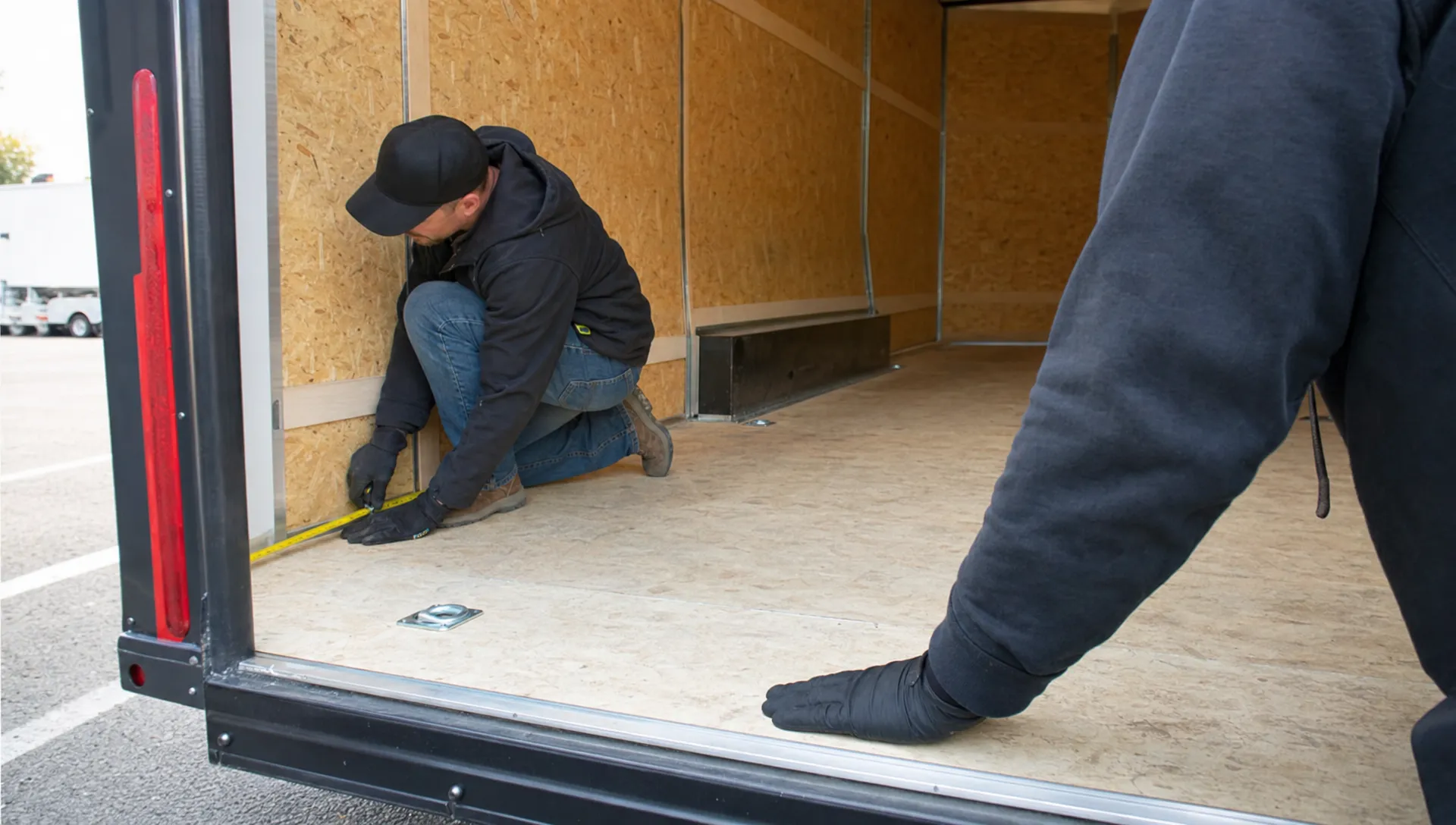
If you are comparing used cargo trailers for sale, the inspection should be more than a quick walkaround and a handshake. A cargo trailer may look clean in photos, but the real value depends on its frame, roof, floor, doors, wiring, tires, brakes and paperwork. For contractors, landscapers, farmers and homeowners who need dependable enclosed hauling, a careful inspection helps you avoid buying someone else’s neglected trailer.
This guide focuses on practical, buyer-first checks you can use before making an offer. It will also help you decide when a used trailer is a smart buy and when a new enclosed cargo trailer may be the safer long-term choice.
Inspection Checklist for Used Cargo Trailers for Sale
Start with the basics: identity, condition and towing compatibility. A seller may emphasize size, price or cosmetic appearance, but the trailer still has to be legal to register, safe to tow and strong enough for your hauling needs.
Verify the VIN, title and seller information
Look for the VIN plate or stamped VIN on the tongue or frame, then compare it with the title, registration or bill of sale. The numbers should match exactly. If they do not, pause the purchase until the seller can explain and document the discrepancy.
A clean paper trail matters because used cargo trailers for sale often move between homeowners, contractors and small businesses before they reach the next buyer. Ask whether the seller has maintenance records, tire receipts, brake service records or documentation for any repairs.
You can also use the NHTSA VIN Decoder as a starting point to confirm manufacturer information. Registration rules vary by state, so check your local DMV requirements before handing over payment.
Inspect the frame, tongue and coupler
The frame is the foundation of the trailer. Surface rust is common on older steel trailers, especially in wet or salted-road regions, but deep scaling, cracked welds or bent frame rails can be expensive warning signs.
Focus on these areas first:
- The tongue, A-frame and coupler area
- Spring hangers and shackle mounts
- Crossmembers under the floor
- Rear bumper and rear frame corners
- Welds around jack mounts, ramps and door frames
Bring a flashlight and inspect from underneath. If the trailer has been overloaded, you may see bowed crossmembers, distorted spring hangers or a tongue that does not sit straight. The coupler should latch securely onto the correct ball size, and the safety chains should be intact, properly rated and free from heavy corrosion.
Check axles, suspension, tires and brakes
Running gear condition directly affects safety. Uneven tire wear can point to alignment problems, bent axles, worn suspension parts or chronic overloading. Check the date code on each tire, not just tread depth. Trailer tires can age out before they look worn.
The NHTSA tire safety guidance recommends checking tire pressure, tread and visible damage regularly. During an inspection, look for sidewall cracking, bulges, cuts and mismatched tire sizes.
| Area to inspect | Good sign | Warning sign | |---|---|---| | Frame and tongue | Straight rails, solid welds, light surface rust only | Cracks, bends, fresh paint over heavy rust | | Floor structure | Firm decking, solid crossmembers | Soft spots, sagging, rot near doors | | Tires | Even wear, correct load range, recent date codes | Cracking, cupping, mismatched sizes | | Suspension | Straight axle, intact springs and hangers | Broken leafs, worn shackles, bent mounts | | Brakes and wiring | Smooth braking, clean wiring, working breakaway | Spliced wiring, dead battery, grabbing brakes |
Check the Box: Roof, Floor, Walls and Doors
The enclosed box is the reason most buyers choose a cargo trailer instead of an open utility trailer. It protects tools, equipment, supplies, inventory and household goods from weather and theft. That protection only works if the shell is dry, straight and structurally sound.
Look for leaks from the top down
When used cargo trailers for sale look clean on the outside, water damage is still one of the easiest problems to miss. Start at the roof seams, roof vents, front cap, rear header and upper wall corners. Dried sealant is normal, but thick layers of mismatched caulk may indicate repeated leak attempts.
Inside the trailer, check for stains, swollen wall panels, musty odors and darkened plywood. Pay special attention to the front corners, lower wall edges and floor near the rear door. Water often travels before it becomes visible, so the soft spot you find may not be directly below the leak.
Test the floor under real pressure
Walk the full floor slowly. Bounce lightly in the center, near the walls and at the rear threshold. A sound floor should feel firm. Soft, spongy or uneven areas can indicate rot, delamination or failed support underneath.
If you haul mowers, roofing equipment, tool chests, motorcycles or palletized material, floor condition is not cosmetic. Weak decking can become a safety issue during loading. Open the rear door and inspect the transition where tires, ramps and hand trucks usually create the most wear.
Inspect barn doors and ramp doors
Door style affects daily use. Barn doors are useful when you need quick access in tight spaces, while ramp doors are better for rolling equipment, carts and small machines. On a used trailer, either style must open smoothly, close squarely and seal properly.
Check hinges, latches, cables, spring assist components and weather seals. If a ramp door drops unevenly or feels unusually heavy, ask whether it has been repaired. If barn doors are misaligned, the trailer may have frame twist or rear impact damage.
Verify Size, Payload and Towing Fit Before You Negotiate
Many shoppers focus on trailer footprint, but the smartest way to compare used cargo trailers for sale is by usable payload and towing fit. A 6 x 10 cargo trailer may be more useful than a larger trailer if it matches your tow vehicle, parking space and daily load.
Confirm GVWR, empty weight and payload
GVWR is the maximum loaded weight the trailer is rated to carry, including the trailer itself and cargo. Payload is the amount of cargo you can legally and safely load after subtracting empty weight. Do not rely only on a seller’s estimate. Look for the manufacturer label and compare it with the title or spec sheet if available.
For broader planning, Prime Trail Trailers’ trailer buyer’s guide explains how GVWR, payload, trailer type and tow vehicle limits work together. That matters if you are choosing between enclosed cargo, equipment, dump or utility trailers.
Match the trailer to your tow vehicle
Check your tow vehicle’s owner’s manual or manufacturer towing guide for maximum trailer weight, tongue weight and hitch requirements. The trailer should not push your vehicle to its absolute limit during normal work. Leave margin for tools, supplies, fuel, attachments and changing jobsite loads.
You should also confirm:
- Coupler size and hitch ball size
- Plug type, such as 4-way or 7-way
- Brake controller requirements
- Trailer width compared with mirror visibility
- Garage, driveway or jobsite clearance
A trailer that is too large for your tow vehicle can cost more in fuel, wear, handling problems and stress. A trailer that is too small can lead to overloading, which is even worse.
Electrical, Lighting and Brake Inspection
A proper light and brake check is essential when evaluating used cargo trailers for sale, especially if the trailer has been used commercially. Wiring takes abuse from weather, road debris, quick repairs and repeated hitching.
Test every light before buying
Connect the trailer to a tow vehicle and test running lights, brake lights, turn signals, license plate light and interior lights if equipped. Wiggle the plug and harness gently while the lights are on. Flickering can indicate corrosion, loose grounds or broken wires inside the jacket.
Look underneath for hanging wires, household wire nuts, exposed copper and tape-only repairs. Trailer wiring should be routed away from moving suspension parts and sharp frame edges.
Confirm brake and breakaway operation
If the trailer has electric brakes, test them with a brake controller if possible. You should feel smooth braking, not sudden grabbing or no response. Check the breakaway switch, cable and battery. The breakaway cable should be separate from the safety chains and attached to the tow vehicle during use.
Brake service is a normal ownership cost, but nonworking brakes are a negotiation point and a safety concern. If you cannot verify operation, budget for professional inspection before towing long distances.
How to Spot Water Damage, Poor Repairs and Hidden Abuse
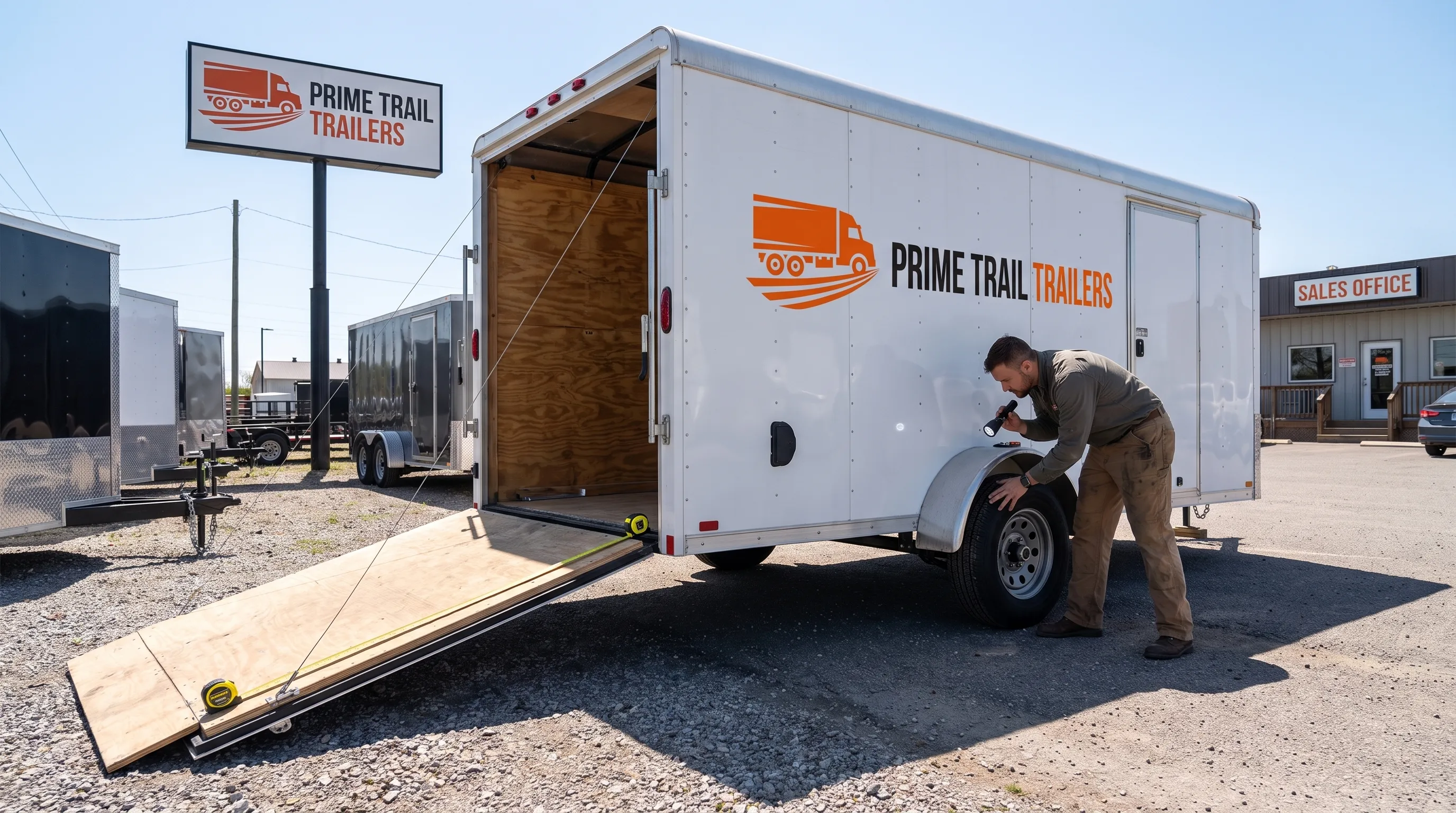
The best used cargo trailers for sale are not always the cleanest-looking units. Fresh paint, new screws and shiny trim can be positive signs, but they can also cover problems. Slow down and look for clues that tell the trailer’s real story.
Red flags that deserve a closer look
A trailer used by a careful owner should show consistent wear. Heavy wear in one area and brand-new parts in another area may be perfectly explainable, but ask questions.
| Red flag | What it may indicate | What to do next | |---|---|---| | Musty smell inside | Roof, vent or wall leaks | Inspect seams and lower wall panels | | Fresh undercoating | Covered rust or frame repair | Scrape lightly in a hidden area if allowed | | Uneven rear door gaps | Frame twist or impact damage | Measure diagonally across the rear opening | | One new tire among old tires | Blowout, axle issue or neglect | Inspect axle alignment and all date codes | | Soft floor near ramp | Water intrusion or loading damage | Check underside supports and threshold | | Messy wiring splices | DIY electrical repairs | Test all lights and inspect grounds |
Watch for signs of overloading
Cargo trailers used by tradespeople often carry compressors, generators, toolboxes, roofing materials, landscaping gear or renovation supplies. That is normal. Problems start when the trailer has carried more than its rating.
Look for bent axles, flattened leaf springs, cracked spring hangers, distorted tie-downs and floor wear that matches heavy point loads. If the trailer has E-track, shelving or tool racks, inspect around the mounting points. Pulling out screws, crushed wall panels or cracked plywood can show that cargo has shifted during hard braking.
Test Tow Before You Commit
Before buying used cargo trailers for sale, ask for a short test tow if the seller can accommodate it safely and legally. A trailer can pass a stationary inspection and still reveal problems once it is rolling.
What to feel and listen for on the road
The trailer should track straight behind the tow vehicle without swaying, hopping or pulling to one side. Listen for grinding bearings, clunking suspension parts and rattling doors. After a short drive, carefully check hub temperature by placing your hand near, not directly on, the hub. Excessive heat can indicate bearing or brake problems.
If the trailer has brakes, test them at low speed in a safe area. Braking should be smooth and controlled. If the trailer jerks, locks one wheel or does not seem to help slow the vehicle, it needs further inspection.
Check loading angle and real-world usability
If you plan to haul mowers, motorcycles, carts or rolling equipment, test the ramp angle if possible. A ramp that is too steep can make daily loading frustrating or unsafe. For barn-door trailers, confirm that you can load your typical cargo with portable ramps if needed.
Also think about where the trailer will live. A great deal loses value if the trailer is too tall for your storage building, too wide for your driveway or too long for tight jobsites.
Price, Value and When to Consider New Instead
Condition should drive your offer. Two trailers with the same size and year can have very different values depending on maintenance, leak history, tires, brakes and structural condition. When comparing used cargo trailers for sale, do not treat asking price as the whole cost.
Add repair costs before deciding
Make a realistic estimate for immediate needs. Tires, bearings, brakes, lights, roof resealing, floor repairs and registration costs can quickly narrow the gap between a used trailer and a new one.
If a used trailer needs several repairs before it can go to work, compare it with current new inventory. For example, a compact new model such as the Universal Trailers 5' X 8' Continental Cargo - Rambler Series w/ Barn Doors, 6-inch Extra Height can be a useful benchmark for buyers who want a small enclosed trailer with barn doors and additional loading height. If you prefer ramp loading in a compact footprint, the Universal Trailers 6' X 10' Continental Cargo - V-Series w/ Ramp Door gives you another point of comparison, with a listed 10 x 6 size and 1,200 lb empty weight.
These comparisons help you decide whether used condition, repair risk and available features still make sense for your work.
Compare by use case, not just price
A roofer may care about interior tie-down options and payload. A landscaper may prioritize ramp strength and floor durability. A contractor may need shelving, side-door access and dependable locking. A homeowner may value easy storage and simple towing.
If you are still deciding between cargo, utility, dump, equipment or car hauler options, you can browse trailer types available from Prime Trail Trailers to compare categories before narrowing your search.
Questions to Ask the Seller
The right questions can reveal how the trailer was used and whether the asking price is realistic. Before you make an offer on used cargo trailers for sale, get clear answers and compare them with what you see during the inspection.
Ask the seller:
- Why are you selling the trailer?
- Do you have the title in your name?
- Has the trailer ever leaked?
- Have the roof seams been resealed?
- When were the tires, bearings and brakes last serviced?
- What was the heaviest cargo usually hauled?
- Has the trailer been in an accident or repaired?
- Are all lights, brakes and locks working?
- Can I test tow it before buying?
A seller who answers clearly and allows a careful inspection is usually a better sign than one who rushes the process. If the seller avoids title questions, refuses a light test or discourages you from looking underneath, be prepared to walk away.
Quick Buyer Checklist to Bring With You
Bring a few simple tools so you are not relying on guesswork. A flashlight, tire pressure gauge, tape measure, gloves and notepad can make the inspection more accurate.
Before leaving to inspect a trailer, confirm the address, title status, VIN location, hitch ball size and plug type. If the trailer is far away, ask for close-up photos of the VIN plate, tires, roof seams, floor, doors and underside first. That can save time if the trailer already shows deal-breaking issues.
A methodical inspection does not need to be complicated. You are trying to answer four questions: Is it legal to buy, safe to tow, dry inside and strong enough for your load?
Frequently Asked Questions
What is the most important thing to inspect on a used cargo trailer? Start with the title and VIN, then inspect the frame, floor, roof and running gear. Structural problems, water damage and missing paperwork are usually more serious than cosmetic wear.
How do I know if a used cargo trailer has water damage? Look for stains, swollen wall panels, soft plywood, musty odors, rusty screws and heavy sealant around roof seams or vents. Pay close attention to front corners and the floor near the rear door.
Are ramp doors or barn doors better on an enclosed cargo trailer? Ramp doors are better for rolling equipment, carts, mowers and motorcycles. Barn doors are convenient in tight parking areas and for hand-loaded cargo. The better choice depends on how you load the trailer.
Should I buy used or new if I need a trailer for daily work? Used can be a smart choice if the trailer is dry, structurally sound and properly documented. For daily commercial use, compare repair costs and downtime risk against the value of a new trailer before deciding.
Find the Right Cargo Trailer With Prime Trail Trailers
Inspecting used cargo trailers for sale carefully protects your budget and your workload. If a used trailer passes the checklist, it may be a practical buy. If it raises concerns, comparing new and used options side by side can help you make a more confident decision.
Prime Trail Trailers offers new and used trailers for commercial, construction, agricultural and personal hauling needs. Browse available inventory online, compare trailer types and specifications or contact the team for help choosing the right trailer for your application. When you are ready, view current trailers for sale at Prime Trail Trailers and request pricing or availability today.
Have Questions? We're Here to Help
Still unsure which trailer fits your needs, or need specs, pricing or delivery advice? The Prime Trail Trailers team is ready to answer your questions and help you find the right rig.