
Maximum Trailer Height Limits and Bridge Clearance Guide
Learn the maximum legal trailer height limits, state DOT regulations, and how to navigate bridge clearances to avoid oversize permits and route hazards.
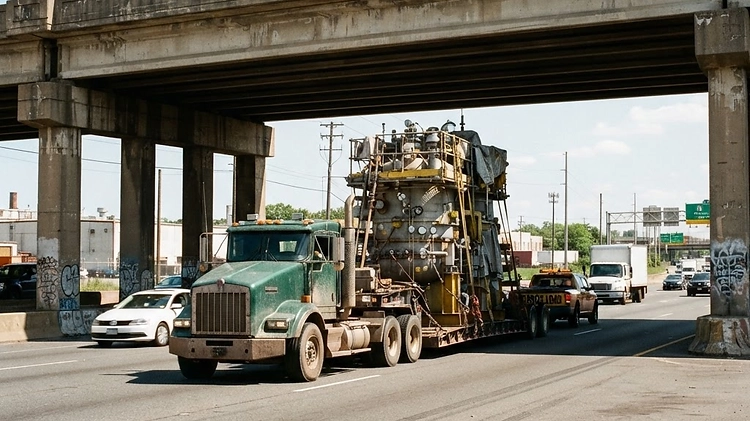
Navigating maximum trailer height limits is critical for safe and legal hauling across the United States. Whether you are pulling an enclosed cargo trailer or a hotshot flatbed loaded with tall equipment, understanding federal and state height regulations prevents costly fines and dangerous bridge strikes.\n\n## Understanding Federal vs. State Trailer Height Limits\n\nWhile the U.S. Department of Transportation (DOT) regulates many aspects of commercial hauling, there is no universal federal height limit for commercial motor vehicles. Instead, maximum trailer height is determined by individual state laws.
\n\nIn most states, the standard legal maximum trailer height is 13 feet 6 inches. However, several western states allow up to 14 feet on designated highways. It is crucial to check the specific DOT regulations for every state on your route. For example, when looking for trailers for sale in Texas, you will find that the state allows a 14-foot maximum height, whereas eastern states strictly enforce the 13'6" limit. Always consult our guides hub for the latest compliance updates.\n\n## Standard Trailer Heights by Type\n\nDifferent trailer styles have varying deck heights, which directly impacts how tall your cargo can be before exceeding legal limits.


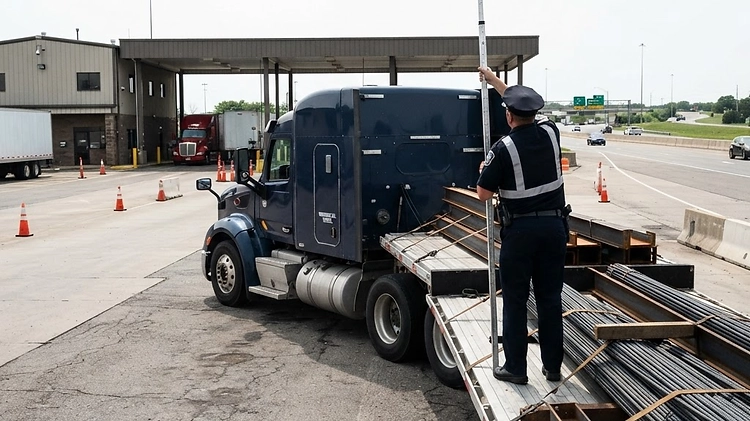
\n\n* Enclosed Trailers: Typically range from 7 to 9 feet in interior height, keeping the overall exterior height well under 11 feet.\n* Standard Flatbeds: Deck heights are usually around 5 feet off the ground, leaving about 8.5 feet for cargo.\n* Drop Deck / Step Deck: Deck heights drop to around 3.5 feet, allowing for taller freight.\n* Lowboys: Designed for heavy equipment, with deck heights as low as 18 to 24 inches.\n\nIf you are hauling tall freight, consider a deckover or drop deck model. Check out our flatbed trailers category or specific models like the 2026 PJ Trailers L6 8.5X24 10k Deckover to maximize your vertical cargo space.\n\n## How to Measure Your Trailer's True Height\n\nNever guess your trailer's height. You must measure from the ground to the highest point of the trailer or its cargo while hitched to your tow vehicle.

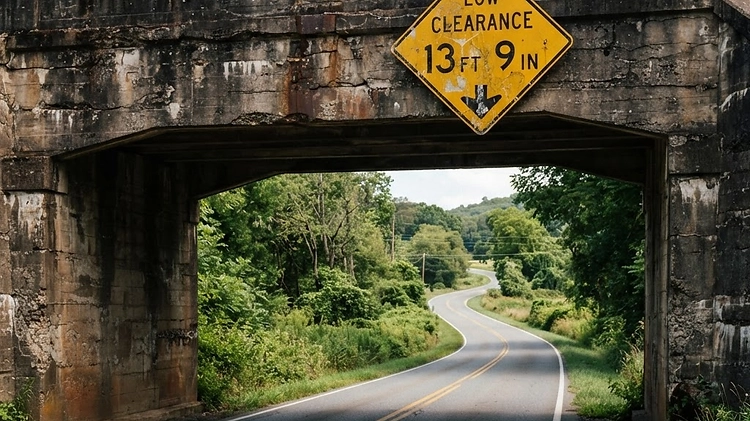
\n\n1. Park your fully loaded rig on level ground.\n2. Ensure your tow vehicle and trailer are level (check your hitch drop).\n3. Use a specialized measuring stick to find the highest point.\n\nProper measurement is especially important for hotshot drivers navigating urban areas like Houston, TX. For more on sizing, read our guide on What Size Trailer Do I Need? 2026 Dimensions & Capacity Guide.\n\n## Navigating Bridge Clearances and Low-Clearance Routes\n\nBridge clearance is a major hazard for tall loads. While interstate highways are generally designed to accommodate 13'6" to 14' heights, state routes and local roads often feature older bridges with lower clearances.\n\n| Road Type | Typical Clearance | Risk Level |\n|---|---|---|\n| Interstate Highways | 14' to 16' | Low |\n| State Routes | 13'6" to 14' | Medium |\n| Local/Urban Roads | 11' to 13' | High |\n\nAlways use a commercial GPS designed for trucking and towing to route around low bridges. For more details on legal dimensions, review our Maximum Legal Trailer Width and Length Limits and Standard Flatbed and Deckover Trailer Dimensions.\n\n## When Do You Need an Oversize Height Permit?\n\nIf your loaded trailer exceeds the state's maximum height limit (usually 13'6" or 14'), you must obtain an oversize load permit. Permits require specific routing to avoid low overpasses and may mandate pilot cars or pole cars to physically check clearances ahead of your rig.\n\nTo avoid permit costs, invest in the right equipment. A specialized hotshot setup, like the 2026 Horizon FTZ 8.5x40 16k Gooseneck HotShot Trailer, offers a lower deck profile to keep tall cargo compliant. Browse our hotshot trailers for more options.\n\n## Key Specifications: What to Look For\n\nWhen buying a trailer for tall loads, pay attention to:\n* Deck Height: Lower decks allow taller cargo.\n* Suspension Type: Air ride suspensions can sometimes be lowered slightly during transit.\n* Tire Size: Low-profile tires can reduce overall deck height by a few crucial inches.\n\n## Bottom Line\n\nKnowing your maximum trailer height and planning your route accordingly is non-negotiable for safe towing. Always measure your loaded rig, understand the state-specific DOT limits, and invest in the right trailer profile for your typical cargo. Ready to upgrade your hauling capabilities? Explore our full inventory at the Prime Trail Trailers Shop today.
Shop Related Trailers
FAQ
Have Questions? We're Here to Help
Still unsure which trailer fits your needs, or need specs, pricing or delivery advice? The Prime Trail Trailers team is ready to answer your questions and help you find the right rig.