
Tilt Trailers: Are They Worth It for Equipment Hauling?
Tilt trailers can speed up daily equipment hauling, but they are not the right choice for every load. This guide explains when a tilt deck pays off, what to compare and how to buy with confidence.
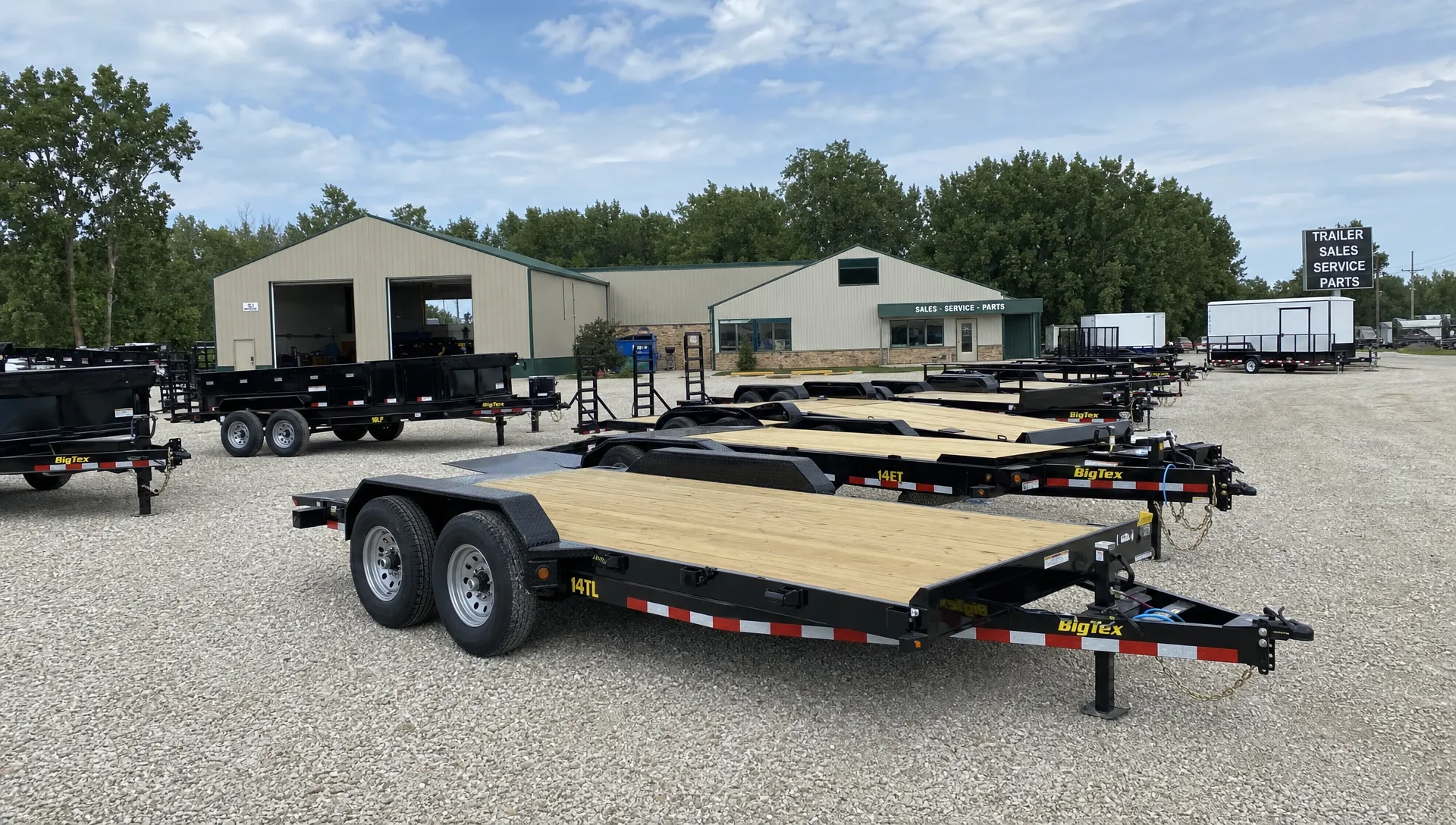
If you haul skid steers, compact tractors, lifts, mowers or small excavators, tilt trailers can make loading faster and reduce the hassle of handling heavy ramps. They are not automatically the best choice for every contractor, farmer or equipment owner, but they are often worth the investment when loading efficiency, safer deck access and daily usability matter.
The core question is not whether a tilt deck is “better” than a ramp trailer. The better question is whether your equipment, jobsite routine, towing setup and budget justify the design. For buyers comparing equipment trailers for sale, a tilt deck deserves a serious look if you load machines frequently or work alone.
What Makes a Tilt Deck Trailer Different?
A tilt deck trailer uses a deck that angles down toward the ground, allowing equipment to drive or roll onto the trailer without separate ramps. Some designs tilt the full deck, while others use a stationary front section with a tilting rear deck. Many equipment-focused models use hydraulic cushioning or assisted tilt mechanisms to control the deck’s movement.
That loading style is the main advantage. Instead of pulling out ramps, pinning them in place and lining up with a narrower ramp path, the operator works with a broad loading surface. This can be especially helpful with tracked machines, zero-turn mowers, low-clearance equipment and attachments that make ramp loading awkward.
Tilt trailers also change the way you think about loading angle. A lower approach angle can reduce scraping and make the process feel more controlled, especially on uneven ground. Still, the trailer must match the equipment’s weight, wheelbase, ground clearance and tie-down requirements.
When Tilt Trailers Are Worth It for Equipment Hauling
A tilt deck is most valuable when it saves time repeatedly, not just once in a while. If your crew loads equipment every morning, unloads at multiple jobsites and loads again at the end of the day, avoiding ramp setup can add up quickly.
Frequent loading and unloading
Contractors, landscapers and municipal crews often move equipment several times per week. For these users, the trailer is part of the workflow. A design that removes one or two steps from every loading cycle can reduce frustration and help keep jobs moving.
This is where tilt trailers make the strongest case. The value is not only convenience, it is consistency. A tilt deck gives the operator a repeatable loading surface, which matters when you are tired, working in tight spaces or trying to get off a jobsite before weather changes.
Low-clearance equipment
Ramp trailers can work very well, but the ramp angle may be too steep for some machines. Scissor lifts, compact tractors with belly attachments, asphalt rollers, small pavers and specialty equipment may need a gentler approach.
A tilt deck can help reduce bottoming out, although the exact loading angle depends on deck height, trailer length, ground conditions and the machine being loaded. Before buying, measure your equipment and compare it against the trailer’s deck height, usable deck length and tilt geometry.
One-person operation
If you often haul alone, a tilt deck can simplify the loading process. You still need safe procedures, proper securement and a tow vehicle rated for the load, but you may avoid lifting or dragging heavy ramps.
For a buyer who loads equipment once a month, the added convenience may not justify the cost. For a business using the trailer daily, tilt trailers can become a productivity tool rather than a luxury upgrade.
| Hauling situation | Tilt deck advantage | When a ramp trailer may be enough | |---|---|---| | Daily equipment transport | Faster loading with no ramp handling | If equipment is light and ramps are easy to manage | | Low-clearance machines | Gentler loading angle in many setups | If long ramps already solve the clearance issue | | One-person loading | Fewer manual setup steps | If you have crew support on every job | | Mixed cargo and pallets | Open deck can still be versatile | A flatbed or utility trailer may offer simpler loading | | Occasional hauling | Convenience is nice but less critical | Lower initial cost may matter more |
Where a Tilt Deck Can Cost You
A tilt deck trailer is not the right answer for every hauling job. The tilt mechanism adds complexity, and depending on the model, the deck layout may not fit every type of cargo. Buyers should compare the benefits against payload, service needs and how the trailer will be used week after week.
Payload, deck space and balance
Always start with capacity. GVWR is the maximum loaded rating of the trailer, while payload is what the trailer can carry after accounting for the trailer’s own weight. Do not assume two trailers with similar deck lengths can haul the same machine.
Equipment placement also matters. A tilt deck has moving components, and the machine must sit where the trailer tows correctly with proper tongue weight. Too much weight behind the axles can cause sway, while too much weight forward can overload the hitch or tow vehicle.
Cost and maintenance considerations
Compared with a basic ramp trailer, a tilt model may cost more because of the tilt system, cylinder, pivot hardware or cushioning components. Those parts need inspection and maintenance like any hardworking trailer component.
That does not make the design fragile. It simply means the trailer should be treated as a piece of equipment, not just a platform on wheels. Grease points, hydraulic components, latches, tires, brakes, wiring and tie-down points all deserve routine checks.
When another trailer type makes more sense
Some hauling needs have a clearer match outside the tilt category. If you transport loose material, a dump trailer is usually the practical choice. If you need weather protection for tools or inventory, an enclosed cargo trailer may be better. If your work involves livestock rather than machinery, a purpose-built bumper trailer such as the WW AA 6x16 is more appropriate, with a 16 foot floor length, 6.0 foot floor width, 2 axles and torsion suspension for livestock transport.
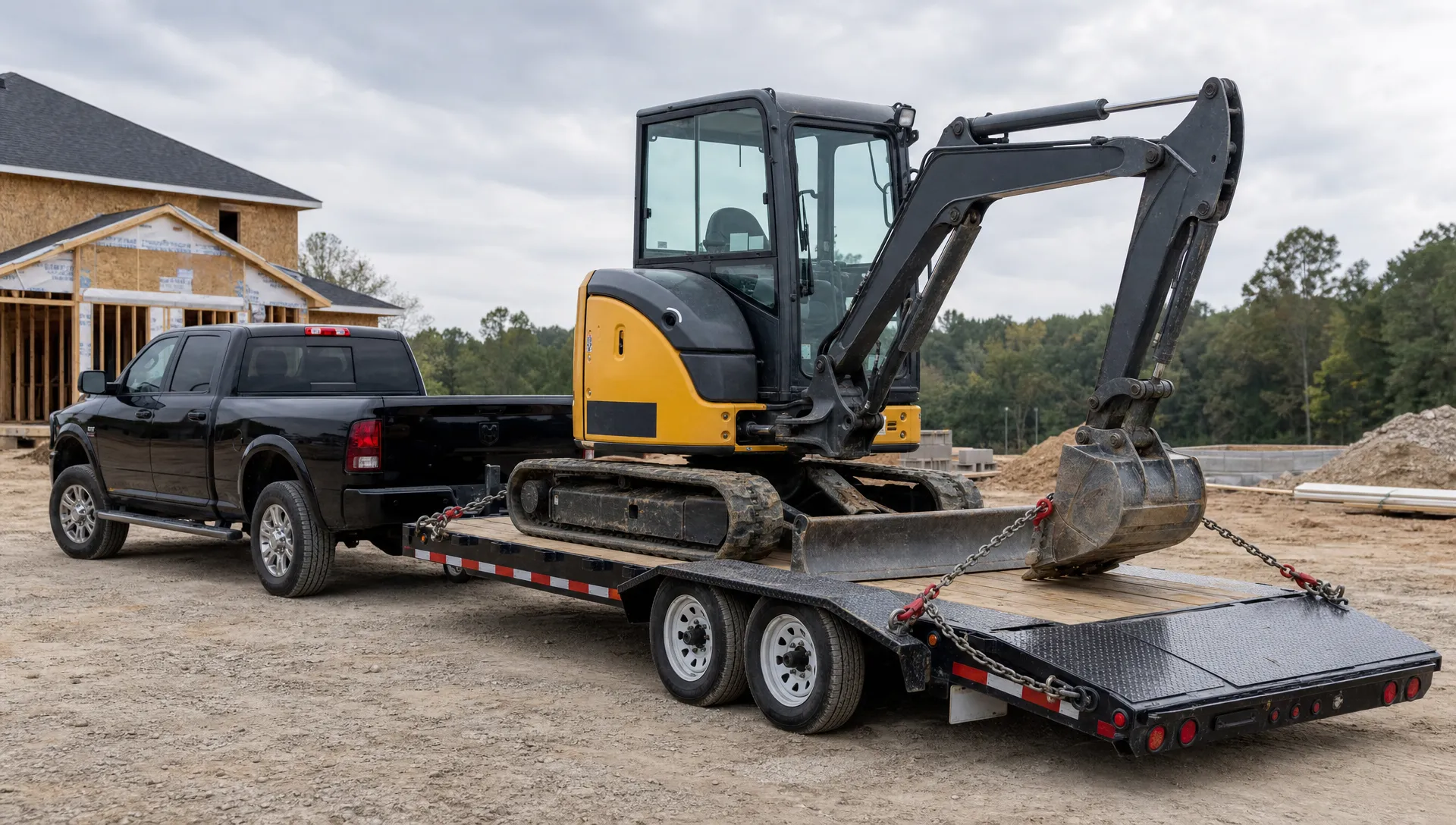
Tilt Trailers vs Ramp Trailers, Flatbeds and Equipment Trailers
Choosing the right trailer becomes easier when you compare the loading method, not just the deck size. A ramp trailer, tilt deck, flatbed and low-profile equipment trailer can all haul machinery, but they suit different routines.
| Trailer type | Best for | Main tradeoff | |---|---|---| | Tilt deck trailer | Frequent machine loading, low-clearance equipment and solo operators | More moving parts and often a higher purchase price | | Ramp equipment trailer | Skid steers, tractors, attachments and general construction hauling | Ramp setup takes time and ramp angle may be steep | | Flatbed trailer | Pallets, materials, implements and mixed cargo | Loading wheeled or tracked equipment may require ramps | | Gooseneck equipment trailer | Heavier loads and improved stability with a properly equipped truck | Requires a compatible truck bed hitch setup | | Enclosed trailer | Tools, cargo and weather-sensitive loads | Not ideal for many taller or heavier machines |
If you want to compare a real tilt-deck option while shopping, Prime Trail Trailers lists models such as the 20 foot Double-A Cushion Tilt-Deck Trailer, which is shown with a 17,500 lb GVWR and two 8,000 lb torsion axles. Specifications like these help you compare the trailer against your actual machine weight, tow vehicle rating and daily use case.
Ramp trailers still deserve respect. They are simple, proven and often a strong value. If your equipment loads easily on ramps and you want a straightforward deck layout, a conventional equipment trailer may be the smarter purchase.
How to Decide What Capacity You Need
A good buying decision starts with math, not guesswork. Write down the operating weight of your heaviest machine, then add buckets, forks, attachments, fuel, toolboxes and anything else that will ride on the trailer.
From there, compare that total against the trailer’s payload capacity, not just its GVWR. Also check your truck’s towing capacity, hitch rating, gross combined weight rating and brake controller setup. Trailer capacity only helps if the tow vehicle is rated to handle the loaded combination.
For commercial hauling, securement should be part of the buying decision. The FMCSA cargo securement rules provide a useful reference for working load limits and equipment tie-down expectations. Even when a haul is not federally regulated, the same principles help protect your crew, equipment and other drivers.
Features to Compare Before Buying
Not all tilt trailers are built for the same workload. Two models may look similar online but differ significantly in deck construction, axle ratings, braking setup, deck height, tie-down placement and loading feel.
Deck length and usable loading area
Make sure the machine fits with room for attachments. A compact tractor with a loader and rear implement may need more deck length than its wheelbase suggests. A skid steer with an attachment rack may also require additional space.
A split tilt design may include a fixed front deck for attachments or cargo, while a full-tilt design may give more tilting surface. Neither layout is universally better. The right choice depends on whether you haul one machine, multiple attachments or mixed materials.
Axles, brakes and suspension
Look at axle ratings and brake configuration, then compare them with your loaded weight. Tandem-axle trailers are common for equipment hauling because they spread load weight and improve stability when properly matched.
Suspension also matters for ride quality and durability. Torsion and leaf spring setups each have their place, and the best choice depends on the trailer design, load profile and expected road conditions.
Tie-downs and deck surface
A trailer that carries equipment needs practical tie-down points where they are easy to reach. Stake pockets, rub rails, D-rings or other securement points should match the way you chain or strap your specific machine.
Deck surface is another detail that affects daily use. Wood decking, steel tread plate and treated surfaces each have advantages depending on traction, maintenance preference and the type of equipment being hauled.
Hitch type and towing setup
Most smaller and midsize equipment trailers use bumper pull couplers, while heavier setups may use gooseneck hitches. Gooseneck trailers can offer strong stability with the right truck, but they are not suitable for every buyer because they require a compatible in-bed hitch.
If you are still narrowing down trailer type, size and towing requirements, Prime Trail Trailers’ Trailer Buyer’s Guide is a helpful next step before comparing individual listings.
Maintenance and Ownership Reality
Tilt trailers should be inspected with the same discipline as any equipment-hauling trailer. Tires, wheels, brakes, lights, breakaway system, coupler, safety chains and deck condition all matter before every trip.
For tilt-specific components, pay attention to pivot points, latches, hydraulic cylinders, hoses, fluid condition and the way the deck returns to travel position. If the deck feels uneven, drops too quickly or does not latch correctly, stop using the trailer until it is inspected.
Ownership cost is not only the purchase price. Consider tires, brake service, decking, registration, storage and downtime if the trailer is part of your business. A trailer that loads faster but sits waiting for overdue maintenance will not save money.
Are They Worth It? The Practical Verdict
For many contractors, landscapers, rental operators, farmers and property owners, tilt trailers are worth it when they reduce loading time, improve access for low-clearance equipment and make daily hauling easier. The more often you load machinery, the stronger the value case becomes.
They are less compelling if you haul occasionally, carry mostly pallets or materials, need an enclosed space or already have a ramp trailer that handles your equipment safely. In those cases, the money may be better spent on more payload, a longer deck, an enclosed trailer or a dump trailer that better fits the work.
The smartest approach is to match the trailer to your heaviest realistic load, your most common loading environment and your tow vehicle. A tilt deck is worth it when it solves a problem you actually have, not just because it looks convenient on a lot.
Frequently Asked Questions
Are tilt trailers safer than ramp trailers? They can reduce some risks related to handling heavy ramps and loading low-clearance machines, but safety still depends on correct capacity, level loading conditions, proper securement, brakes and operator judgment.
What equipment is best suited for a tilt deck trailer? Skid steers, compact tractors, mini excavators, scissor lifts, small rollers, zero-turn mowers and similar machines are common fits when the trailer’s payload, deck length and loading angle match the equipment.
Do tilt trailers require more maintenance? They can require additional attention because the tilt system has moving parts. Inspect pivot points, latches and hydraulic components along with normal trailer items such as tires, brakes, lights and coupler hardware.
Is a full-tilt or split-tilt deck better? A full-tilt deck can offer more tilting surface, while a split-tilt design may provide a fixed front section for attachments or cargo. The better choice depends on how you load and what you carry.
Can I use a tilt deck trailer for cars? Some tilt deck trailers can work well for vehicles, especially low-clearance cars, but you still need to confirm deck length, width, approach angle, payload capacity and tie-down locations before buying.
Find the Right Equipment Trailer for Your Hauling Work
If you are comparing trailers for sale and trying to decide whether a tilt deck belongs in your fleet, Prime Trail Trailers can help you evaluate trailer type, size, capacity and configuration. You can browse available trailer inventory, compare specifications online and request help choosing a trailer that fits your equipment and towing setup.
A well-matched trailer should make hauling easier, not create new limits. Contact Prime Trail Trailers for current pricing, availability and guidance on tilt trailers, equipment trailers, dump trailers, enclosed trailers and other options for commercial or personal hauling.
Have Questions? We're Here to Help
Still unsure which trailer fits your needs, or need specs, pricing or delivery advice? The Prime Trail Trailers team is ready to answer your questions and help you find the right rig.