
Trailer Axle Weight Distribution Guide: How to Calculate and Balance Your Load
Learn how to calculate trailer axle weight distribution, understand legal limits, and balance your load for safe, compliant towing.
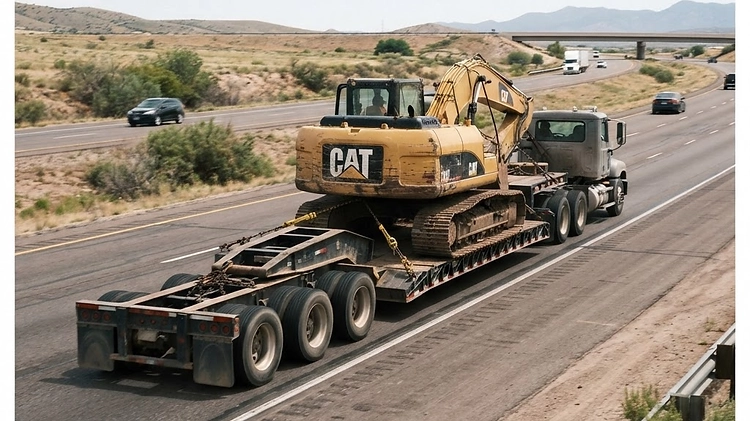
Proper trailer axle weight distribution is critical for safe towing, legal compliance, and preventing premature wear on your equipment. Whether you are hauling a heavy skid steer on an equipment trailer or transporting goods in an enclosed cargo trailer, understanding how weight is distributed across your axles can mean the difference between a smooth haul and a dangerous situation.
In this comprehensive guide, we will break down how to calculate axle weight distribution, the importance of balancing your load, and the legal limits you need to know.
Understanding Axle Weight Distribution
Axle weight distribution refers to how the total weight of your trailer and its cargo is spread across the trailer's axles and the tow vehicle's hitch (tongue weight). When a trailer is loaded, the weight does not sit evenly; it shifts based on where the cargo is placed.

If too much weight is placed behind the trailer axles, it can cause dangerous trailer sway. If too much weight is placed in front of the axles, it can overload the tow vehicle's rear suspension and reduce steering control. Achieving the right balance is essential for stability and safety.
The 60/40 Rule
A general rule of thumb for loading a trailer is the 60/40 rule: place 60% of the cargo weight in front of the trailer axle(s) and 40% behind. This helps ensure that the proper amount of weight is transferred to the tow vehicle's hitch, typically 10-15% of the total loaded trailer weight for conventional bumper pull trailers, and 20-25% for gooseneck trailers.
How to Calculate Axle Weight
Calculating your trailer's axle weight involves knowing a few key numbers: the Gross Vehicle Weight Rating (GVWR), the Gross Axle Weight Rating (GAWR), and the actual weight of your loaded trailer.
- Find Your Ratings: Locate the VIN plate or data sticker on your trailer. This will list the GVWR (the maximum allowable weight of the fully loaded trailer) and the GAWR (the maximum allowable weight for each individual axle).
- Weigh Your Setup: The most accurate way to determine your axle weights is to visit a public scale, such as a CAT Scale. You will need to weigh your setup in a few different configurations to get the full picture.
- Calculate the Distribution: By weighing the tow vehicle's axles and the trailer's axles separately, you can determine exactly how much weight each axle is carrying and adjust your load accordingly.

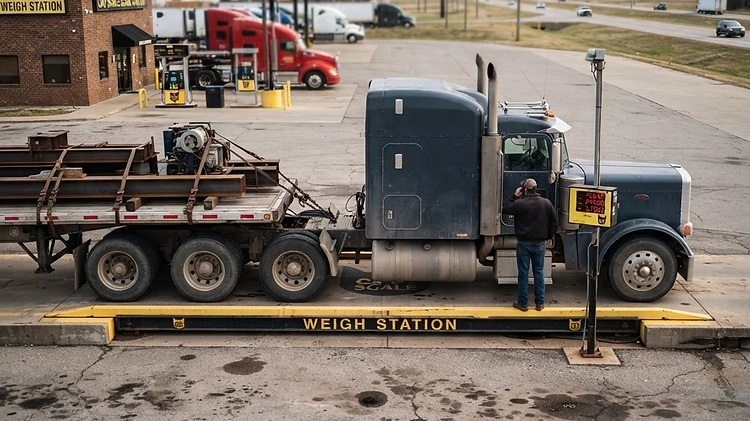
For a detailed walkthrough on weighing your trailer, check out our guide on How to Weigh a Trailer at a Public Scale: Calculate True Payload.
Legal Axle Weight Limits
When towing commercially or hauling heavy loads, you must comply with federal and state weight regulations. The federal gross weight limit for commercial vehicles on the Interstate System is 80,000 lbs, but there are also specific limits for individual axles and axle groups.
- Single Axle Limit: Typically 20,000 lbs.
- Tandem Axle Limit: Typically 34,000 lbs.
These limits are designed to protect bridges and roadways from damage. Exceeding these limits can result in hefty fines and out-of-service violations. Always check the specific regulations for the states you will be traveling through, as local laws can vary.
Balancing Your Load for Safe Towing
Balancing your load is an ongoing process. Every time you load your trailer, you need to consider weight distribution.
- Center the Load: Place the heaviest items over the axles or slightly forward of them.
- Secure the Cargo: Use proper tie-downs to prevent the load from shifting during transit. A shifting load can drastically alter your axle weight distribution and cause instability.
- Check Your Tires: Uneven weight distribution can cause premature tire wear or even blowouts. Regularly check your tire pressure and inspect for signs of uneven wear.

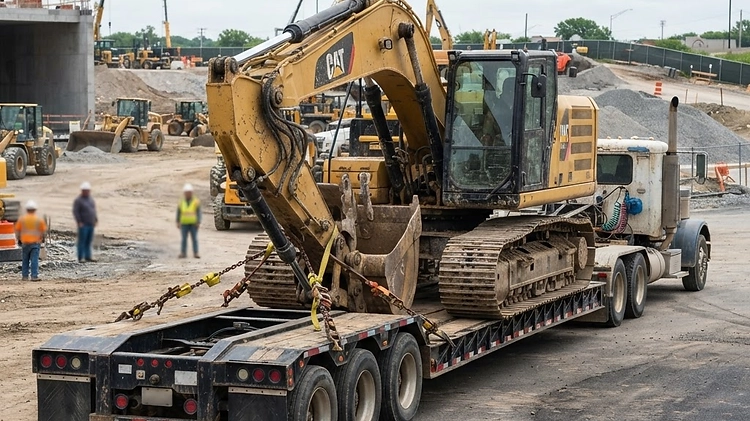
If you are hauling heavy equipment, such as on a tilt trailer, ensure the equipment is positioned correctly to achieve the proper tongue weight. For more information on load securement, read our Flatbed Trailer Load Securement Guide: 2026 DOT Tie-Down Rules.
Bottom Line
Proper trailer axle weight distribution is not just a suggestion; it is a requirement for safe and legal towing. By understanding your trailer's ratings, calculating your axle weights, and carefully balancing your load, you can protect your equipment and ensure a smooth haul.
If you are in the market for a new trailer that can handle your heavy loads, explore our selection of equipment trailers and gooseneck trailers at Prime Trail Trailers. Our experts can help you find the right trailer for your specific hauling needs.
FAQ
Have Questions? We're Here to Help
Still unsure which trailer fits your needs, or need specs, pricing or delivery advice? The Prime Trail Trailers team is ready to answer your questions and help you find the right rig.