
How to Calculate Towing Capacity: The GCWR Minus Payload Formula Explained
Learn how to calculate your vehicle's true towing capacity using the GCWR minus payload formula to ensure safe and legal hauling in 2026.
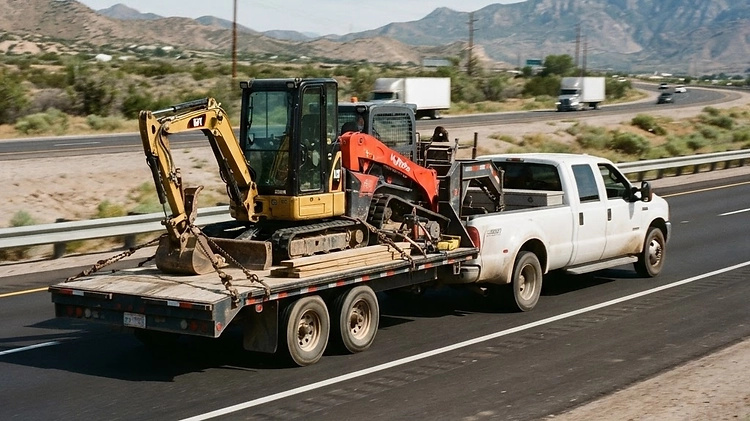
Quick Summary
Learn how to calculate your vehicle's true towing capacity using the GCWR minus payload formula to ensure safe and legal hauling in 2026.
Understanding how to calculate your true towing capacity is the most critical step before hitching up a trailer. Many truck owners mistakenly believe the advertised maximum tow rating is a guarantee, but real-world towing requires precise math. This guide breaks down the exact formula you need to stay safe and legal on the road.
Understanding the Core Towing Terms
Before you can calculate your towing capacity, you need to understand the terminology that dictates your vehicle's limits.
Gross Combined Weight Rating (GCWR)
The GCWR is the absolute maximum weight of your loaded tow vehicle and your loaded trailer combined. This number is set by the manufacturer and cannot be exceeded. It accounts for the strength of your engine, transmission, brakes, and chassis.
Curb Weight and Payload Capacity
Curb weight is the weight of your truck when it is empty but full of fluids. Payload capacity is the maximum amount of weight you can add to the truck itself—including passengers, tools, cargo in the bed, and the tongue weight of the trailer. If you are looking for trailers for sale in Texas, knowing your payload is just as important as knowing your tow rating.
The Towing Capacity Formula
The most accurate way to determine how much you can tow is by using the GCWR formula.

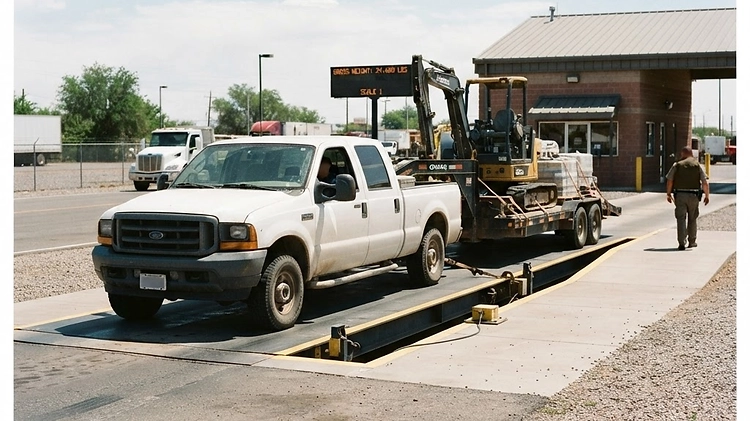
GCWR Minus (Curb Weight + Payload)
To find your true towing capacity, subtract your truck's curb weight and the actual payload you are carrying from the GCWR.
Formula: GCWR - (Curb Weight + Actual Payload) = True Towing Capacity
For example, if your truck has a GCWR of 15,000 lbs, a curb weight of 5,000 lbs, and you have 1,000 lbs of passengers and gear (payload), your true towing capacity is 9,000 lbs. This is why understanding the 80/20 towing rule is essential for maintaining a safety margin.
Where to Find Your Weight Ratings
Finding accurate numbers is crucial. Never guess your vehicle's weight ratings.


Checking the VIN Sticker
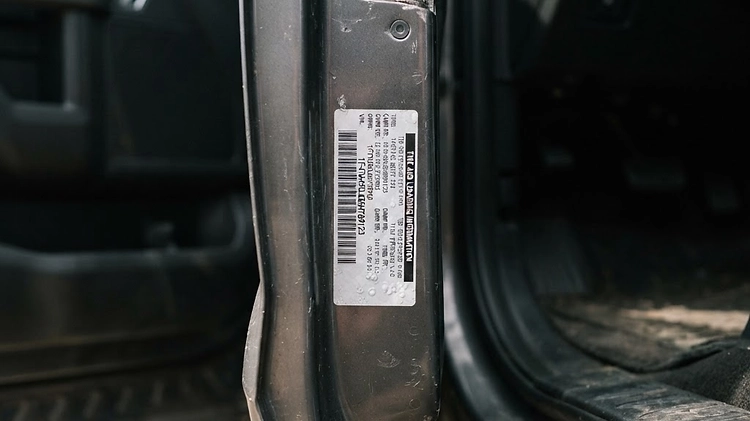
Your truck's GVWR and payload capacity are listed on the tire and loading information placard, usually located inside the driver's side door jamb. For trailers, the GVWR is found on the VIN sticker, typically riveted to the front left of the frame or tongue. Whether you are hauling an equipment trailer or a dump trailer, always check the VIN plate first.
Real-World Application and Equipment
When outfitting your truck for heavy hauling, the equipment you choose matters. Upgrading to a heavy-duty truck bed, like the 2026 BEDBOSS Dually ArmorBed Flatbed Truck Bed, adds curb weight, which reduces your available payload and towing capacity. Conversely, pairing your truck with a properly rated trailer, such as the 2026 Iron Bull 10K Gravity Tilt Equipment Trailer, ensures you stay within safe operating limits. For more insights on how trucks are tested, review the SAE J2807 Towing Standards.
Bottom Line
Calculating your true towing capacity using the GCWR minus payload formula is non-negotiable for safe hauling. Always account for the weight of your passengers, gear, and the trailer's tongue weight. For more expert advice, visit our towing guides hub or stop by our Houston trailer delivery center to find the perfect trailer for your truck's capacity.
FAQ
Have Questions? We're Here to Help
Still unsure which trailer fits your needs, or need specs, pricing or delivery advice? The Prime Trail Trailers team is ready to answer your questions and help you find the right rig.
Prime Trail Trailers
Prime Trail Trailers is a family-owned trailer dealer in Markle, Indiana, stocking utility, dump, enclosed, equipment, car hauler and gooseneck trailers with nationwide delivery. This guide is based on what our customers ask us most and the trailers we sell every day.
More about Prime Trail Trailers