
Aluminum vs Steel Trailers: Durability, Payload, Weight & Cost Comparison
Compare aluminum vs steel trailers across payload capacity, corrosion resistance, tare weight, maintenance, resale value, and lifecycle operating costs.

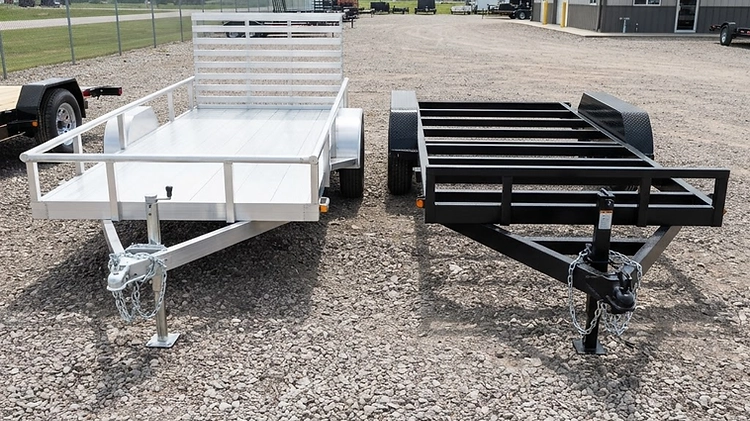
Selecting the right frame construction is one of the most consequential decisions you will make when investing in a commercial or utility hauler. Buyers routinely grapple with the core trade-offs between lightweight, rust-proof aluminum and ultra-stiff, cost-effective structural steel. Understanding the mechanical differences, payload math, and long-term operating costs ensures your rig matches your exact towing demands without overstressing your tow vehicle or your budget.
The Fundamental Structural Trade-Offs
At a metallurgical level, steel and aluminum serve fundamentally distinct operational purposes. Steel—typically mild structural carbon steel such as A36 or structural channel—possesses a high modulus of elasticity (roughly 29,000 to 30,000 ksi). This gives steel frames immense torsional rigidity, superior resistance to cyclic frame flexing under heavy localized point loads, and straightforward weld repairability in any field environment. However, carbon steel reacts readily with environmental moisture and road salts, making consistent anti-corrosion maintenance a mandatory operational requirement.
Aluminum alloys—primarily 6061-T6 structural channel and extruded 6005-T5 planking—deliver approximately one-third the density of structural steel while maintaining excellent tensile strength. While aluminum frames require engineered cross-sectional profiles and custom extrusions to match the stiffness of steel, the aggregate weight savings are substantial. A typical 7x14 open trailer built from aluminum often tips the scales 30% to 45% lighter than an identically dimensioned tubular steel model. For contractors and hotshot haulers operating close to axle limits, those shed pounds translate directly into usable cargo capacity.
Before exploring individual use-cases, reviewing foundational hauling metrics is essential. If you are calculating your vehicle's overall setup limits, reference our Towing Capacity vs. Payload Capacity Guide and our central trailer knowledge hub for detailed mathematical breakdowns of curb weights and axle configurations.
Tare Weight and Usable Payload Capacity
Tare weight (empty curb weight) dictates your real-world legal payload headroom under any given Gross Vehicle Weight Rating (GVWR).

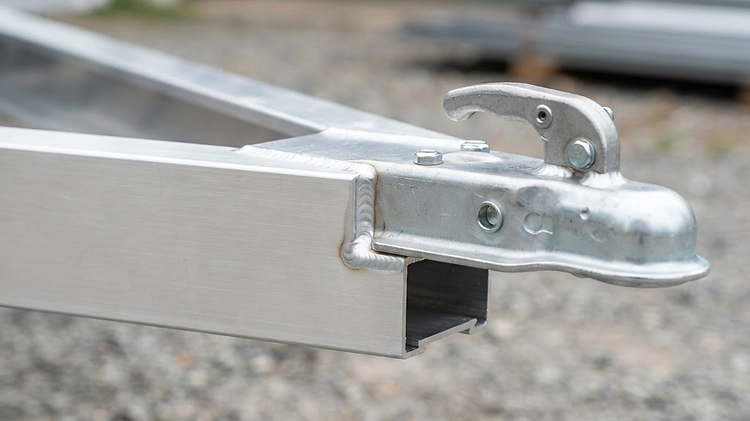
Because the structural mass of the chassis counts directly against your axle ratings, lighter trailer curb weight frees up legal capacity for heavy equipment, gravel, pallets, or powersports machines. Consider two trailers each carrying a 7,000-lb GVWR tandem-axle package:
- Standard Structural Steel Tandem Trailer: Typically weighs between 1,800 and 2,200 lbs empty, leaving 4,800 to 5,200 lbs for physical cargo.
- Full-Extruded Aluminum Tandem Trailer: Typically weighs between 1,200 and 1,450 lbs empty, expanding legal payload capacity to 5,550 to 5,800 lbs.
That 600-to-1,000-lb payload gap becomes critical for contractors hauling skid-steer attachments, mini excavators, or zero-turn commercial mowers. For light-duty towing behind half-ton trucks or midsize SUVs, choosing an aluminum platform like the Stronghaul 6x12 All Aluminum Tandem-Axle Utility Trailer allows you to carry heavier tools without exceeding the tow vehicle's Gross Combined Weight Rating (GCWR) or factory hitch tongue weight limits.
Conversely, when purchasing commercial equipment trailers designed for 14,000-lb to 25,900-lb duty cycles, steel chassis dominate the market. Heavy machinery exerts high point loads through steel tracks and steel landing pads, where the inherent structural rigidity and fatigue resistance of thick steel I-beams provide peace of mind across rugged terrain.
| Specification & Metric | Extruded Aluminum Construction | Structural Carbon Steel Construction | | :--- | :--- | :--- | | Chassis Weight Comparison | 30% to 45% lighter than steel | Standard baseline weight | | Corrosion Resistance | Natural aluminum oxide barrier; zero rust | Requires powder coat, paint, or hot-dip galvanizing | | Tensile & Yield Rigidity | Moderate flex; high elasticity | Maximum rigidity; higher resistance to point fatigue | | Field Repairability | Specialized AC TIG / spool gun MIG required | Standard stick / MIG equipment found in any shop | | Initial Purchase Cost | 25% to 50% premium over painted steel | Most economical initial capital investment | | 5-to-10 Year Resale Value | Outstanding (retains 65–80% of value) | Moderate (dependent on surface rust & paint condition) | | Fuel Efficiency (Empty) | Measurably higher (reduced highway drag) | Standard baseline drag |
Corrosion Resistance and Winter Weather Longevity
Corrosion performance represents the starkest day-to-day operational divide between steel and aluminum trailers, particularly for operations across the Midwest snow belt, coastal regions, and agricultural sites handling caustic fertilizers.

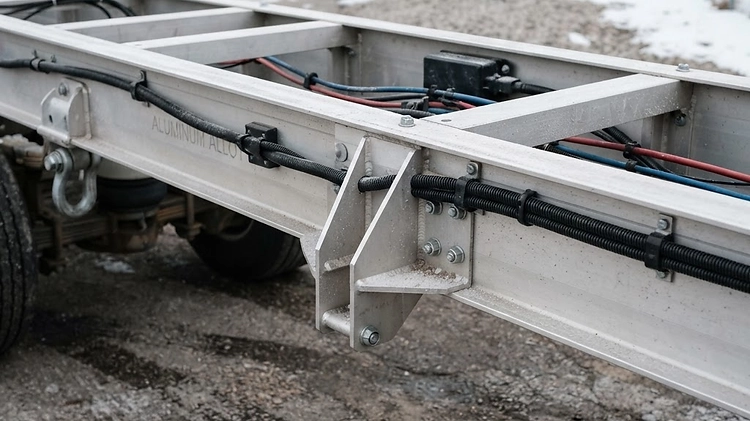
Steel rusts when exposed to oxygen, road wash, and moisture. Traditional powder-coated or liquid-painted steel trailers require vigilant visual inspection to identify stone chips, rock dings, and salt spray intrusion. Once road brine penetrates the paint barrier, oxidation creeps beneath the coating, causing bubbling, flaking, and eventual frame thinning. Hot-dip galvanizing solves steel's rust vulnerability by metallurgically bonding zinc into the steel pores, but galvanizing adds significant tare weight and carries a price tag approaching aluminum.
Aluminum naturally generates a microscopic, self-healing layer of aluminum oxide when exposed to air. It does not rust, flake, or rot, making an all-aluminum enclosed cargo hauler like the Continental Cargo 7x14 All Aluminum Cargo Trailer an outstanding investment for landscapers handling damp mulches or contractors running through salted winter highways.
The Hidden Threat: Galvanic Corrosion
While aluminum is immune to rust, it is susceptible to galvanic corrosion when paired directly with dissimilar metals. When raw steel hardware (bolts, hinges, leaf spring hangers, steel hitch couplers) makes physical contact with aluminum in the presence of an electrolyte like salt water, an electrochemical reaction occurs where the aluminum acts as a sacrificial anode and degrades around the fastener holes. Premium aluminum trailer manufacturers eliminate this issue by installing non-conductive nylon isolation washers, mylar barrier tape, and cadmium-plated or stainless steel fasteners at all mechanical joints.
Strength, Flex, and Fatigue Under Heavy Commercial Hauling
Structural design must account for dynamic road stress, torsional twisting, and fatigue limits over years of hauling. The engineering physics governing these metals dictate their optimal commercial applications.

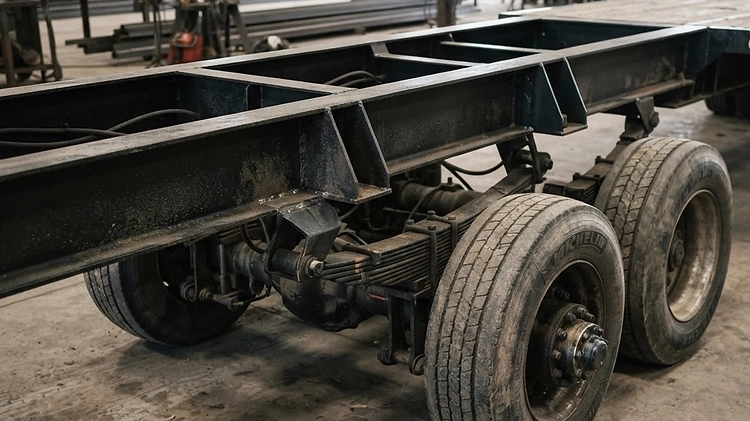
Steel exhibits a distinct fatigue endurance limit: stress cycles below a certain threshold can be repeated indefinitely without causing metallurgical cracking. Steel frames can absorb repetitive jarring from washboard gravel roads, heavy excavator bucket drops, and severe twisting while entering uneven access sites without developing microscopic structural fractures.
This structural resilience is why commercial dump trailers are overwhelmingly constructed from steel. A heavy-duty rig like the Double-A 7x14 Dump Trailer Pro Series relies on formed steel plate for its box floor and walls to withstand the sheer impact energy of rip-rap, demolished concrete, and boulder loading. To understand sizing requirements and box dimensions for materials handling, review our detailed guide on What Size Dump Trailer Do I Need?.
Aluminum, by contrast, lacks a fatigue endurance limit; every stress cycle, regardless of magnitude, consumes a fraction of its fatigue life over time. To compensate, modern aluminum engineers utilize deeper frame rails, boxed tongue extrusions, and heavy internal gusseting to minimize chassis deflection. While an aluminum car hauler or open landscape deck handles vehicles and rolling turf equipment effortlessly, repeated severe point loading from metal excavator tracks will dent, gall, and prematurely stress an aluminum deck.
For commercial operators navigating regulatory weigh stations and highway safety checks, structural integrity directly influences roadworthiness. Make sure you stay up to date on commercial requirements by reading our comprehensive resource on Federal DOT Trailer Regulations.
Purchase Price, Total Cost of Ownership, and Resale Value
While initial showroom pricing favors painted steel, total cost of ownership (TCO) paints a more nuanced financial picture over a five-to-ten-year operating cycle.
Upfront Purchase Outlay
Structural steel raw materials are cheaper to source and significantly faster to fabricate with automated factory equipment. Expect an aluminum utility or enclosed trailer to carry an upfront retail price 25% to 50% higher than an entry-level painted steel equivalent. For budget-conscious business owners needing immediate equipment deployment, painted steel keeps initial capital expenditure low, freeing up operating cash flow.
Lifecycle Maintenance Costs
Maintaining a steel trailer requires periodic visual inspections, rust sanding, primer touch-ups, and eventual frame repainting every few seasons to preserve structural metal thickness. Routine physical maintenance is mandatory—review our comprehensive Dump Trailer Maintenance Checklist to see how electrical connections and mechanical pivot points must be safeguarded against road grime.
Aluminum eliminates wire brushing, media blasting, and repainting entirely. Routine maintenance is limited to power washing, seasonal acid washing if you wish to restore factory luster, and inspecting suspension pivot bushings and wheel bearings.
Fuel Economy and Resale Valuation
Hauling an empty aluminum trailer home from the jobsite puts noticeably less strain on the tow vehicle’s transmission and driveline, translating to modest fuel savings that compound over tens of thousands of miles. More importantly, secondary market resale prices for aluminum trailers remain remarkably elevated. A 10-year-old aluminum landscape or enclosed hauler that has been kept clean will often command 70% or more of its original purchase price, whereas a steel hauler of comparable age with surface oxidation may retain only 35% to 50% of its initial value.
Best Use-Cases: When to Choose Aluminum vs Steel
Matching the metal to your specific commercial operations ensures maximum productivity, safety, and return on investment.
Choose Aluminum If You Haul:
- Landscaping & Lawn Care: Constant contact with wet grass clippings and moist mulch releases tannic and organic acids that aggressively corrode steel decks.
- Enclosed Cargo & Mobile Workshops: Premium enclosed haulers like the Continental Cargo 7x14 Contractor Edition provide weather-tight tool storage with lower tongue weights and rust-free long-term service.
- Exotic, Classic & Race Cars: Enclosed and open car haulers benefit from low curb weights, smooth aerodynamic finishes, and reduced tow vehicle strain during long interstate journeys.
- Lightweight Tow Vehicles: When your tow vehicle is a half-ton pickup, small commercial van, or SUV with a modest tow capacity, saving 600 to 1,000 lbs on the trailer chassis makes everyday towing safer and smoother.
Choose Steel If You Haul:
- Demolition, Rock & Heavy Aggregate: Steel dump boxes and deck-overs handle abrasive aggregate loads, concrete demolition rubble, and dynamic excavator bucket strikes without fracturing.
- Heavy Skid Steers & Track Loaders: The immense point-weight and track vibrations of 10,000-lb+ machines demand the high torsional rigidity of structural steel channel frames.
- Heavy-Duty Commercial Gooseneck Operations: Commercial hotshot haulers, flatbeds, and heavy commercial gooseneck platforms rely on steel to deliver structural durability across hundreds of thousands of demanding highway miles.
To ensure your tow vehicle and hitch setup can handle either chassis material without suspension squat or instability, explore high-grade towing hardware such as the Gen-Y Hitch Adjustable Drop Hitches engineered to stabilize heavy loads.
The Bottom Line
Both aluminum and steel hold definitive positions in modern commercial and personal hauling. If you prioritize raw structural stiffness, maximum resistance to severe impact, and low initial acquisition cost for brutal industrial applications, a structural steel trailer remains the workhorse standard. If you haul in harsh winter climates, operate close to your tow vehicle's gross capacity limits, or want a low-maintenance platform that commands exceptional resale value a decade from now, an aluminum trailer pays for itself.
Ready to find the ideal match for your vehicle and payload? Explore our complete inventory in the trailer shop or browse our extensive lineup of commercial utility trailers to compare builds in person at our Markle, Indiana dealership.
Shop Related Trailers
FAQ
Have Questions? We're Here to Help
Still unsure which trailer fits your needs, or need specs, pricing or delivery advice? The Prime Trail Trailers team is ready to answer your questions and help you find the right rig.