
New vs. Used Trailers: 2026 Buying Guide, Market Trends & ROI
Deciding between a new or used trailer in 2026? Explore current market trends, tariff impacts, depreciation rates, and a complete ROI comparison to make the right choice.

Quick Summary
Deciding between a new or used trailer in 2026? Explore current market trends, tariff impacts, depreciation rates, and a complete ROI comparison to make the right choice.
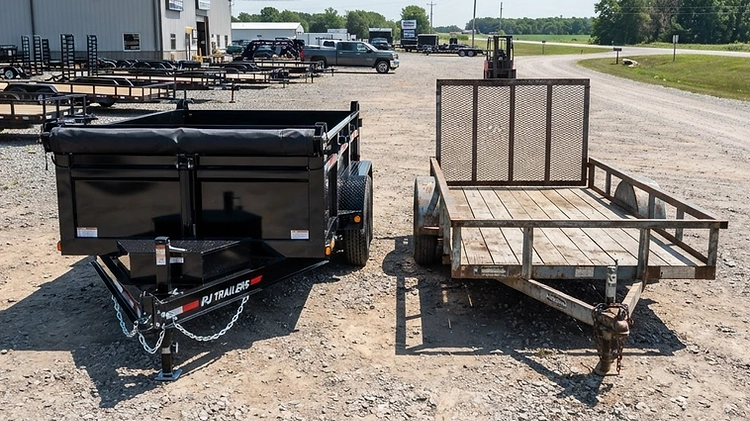
The 2026 trailer market is defined by shifting supply chains, tariff-driven price fluctuations, and extended replacement cycles. For owner-operators, construction firms, and hotshot haulers, deciding between a new or used trailer requires a careful analysis of upfront costs, maintenance risks, and long-term return on investment (ROI). Whether you are expanding your fleet or making your first purchase, understanding the current economic landscape is critical to maximizing your hauling profitability.
2026 Trailer Market Trends: Tariffs, Backlogs, and Pricing
Recent data from industry analysts like ACT Research indicates that the trailer market is experiencing a unique transition. Buyers are navigating a landscape where tariff-related price increases on raw materials have pushed the cost of new units higher, while simultaneously, fleets are extending their replacement cycles. This has led to a tightening in the high-quality used trailer market.


Many businesses are taking a cautious capital spending approach, leaning heavily on used equipment to avoid the immediate depreciation hit of a new purchase. However, as freight rates begin to stabilize, the pent-up demand for replacement equipment is expected to surge. If you are considering trailer leasing vs. buying, factoring in these macroeconomic trends is essential. Waiting too long to secure a new build could mean facing longer backlogs later in the year.
The Case for Buying a New Trailer
Investing in a brand-new trailer offers unparalleled peace of mind, immediate reliability, and access to the latest hauling technology. In 2026, manufacturers are rolling out advanced safety features, including anti-sway technology, integrated rear-collision warning systems, and ground-level loading capabilities that drastically reduce workplace injuries.

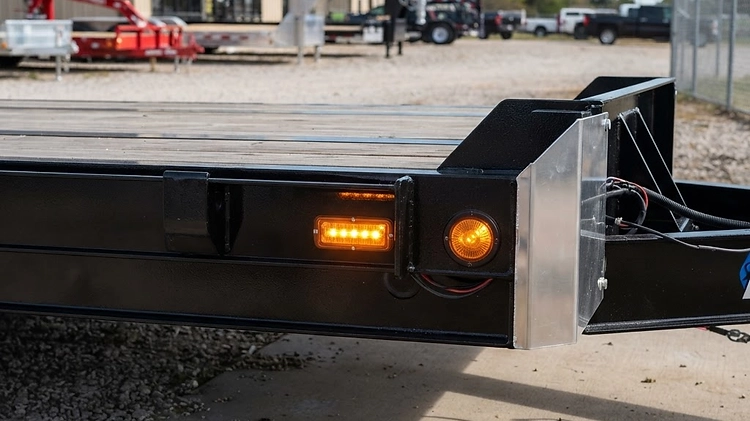
When you purchase a new unit, such as a heavy-duty 16ft dump trailer, you benefit from comprehensive manufacturer warranties that protect your bottom line from unexpected structural or hydraulic failures. Furthermore, new trailers require zero immediate maintenance, allowing you to put the equipment to work on day one. For businesses operating in harsh winter climates, investing in new equipment trailers with modern, corrosion-resistant powder coatings or aluminum builds can significantly extend the lifespan of the asset. You can read more about material choices in our aluminum vs steel trailers comparison.
The Case for Buying a Used Trailer
The primary advantage of buying a used trailer is the lower upfront capital requirement. Trailers, much like commercial trucks, experience their steepest depreciation within the first two to three years. By purchasing a well-maintained used unit, you let the original owner absorb that initial financial hit.

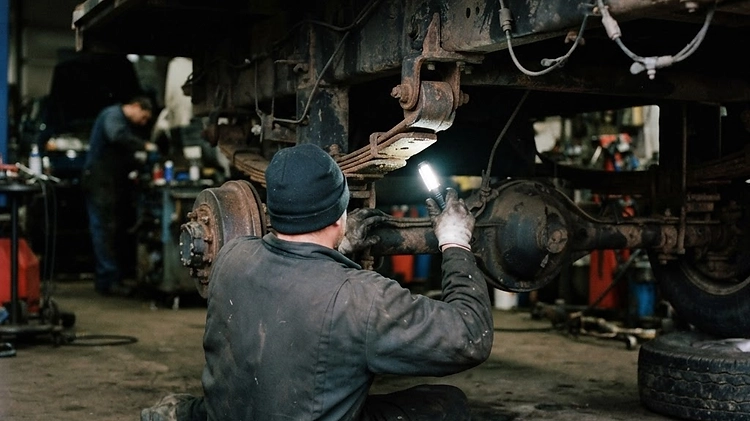
Used trailers are also immediately available, bypassing any manufacturer backlogs. For local landscapers or contractors looking for trailers for sale in Indiana, a used 7x14 utility trailer can be a highly cost-effective way to scale operations quickly. However, the used market carries inherent risks. Hidden structural fatigue, worn suspension components, and degraded wiring harnesses can quickly turn a bargain into a maintenance nightmare. It is crucial to conduct a rigorous inspection before finalizing any used purchase.
New vs. Used Trailer Comparison
To help clarify your decision, review this side-by-side comparison of new and used trailers across key operational metrics:
| Feature/Metric | New Trailers | Used Trailers | | :--- | :--- | :--- | | Upfront Cost | High (Premium pricing, potential tariff impacts) | Low to Moderate (Avoids initial depreciation) | | Depreciation | Steepest in the first 1-3 years | Slower, stabilized depreciation curve | | Maintenance | Minimal; covered by manufacturer warranty | Higher risk; requires immediate inspection/upkeep | | Technology | Latest safety tech (LEDs, anti-sway, telematics) | Older tech; may require aftermarket upgrades | | Availability | Subject to dealer inventory and factory backlogs | Immediate availability on the secondary market |
What to Look For When Inspecting a Used Trailer
If the ROI analysis points you toward a used trailer, your pre-purchase inspection must be exhaustive. Start with the frame: look for deep pitting rust, cracked welds, or signs of structural bending, particularly around the tongue and spring hangers. For buyers looking at dump trailers, the hydraulic hoist system must be tested under load to ensure the pump and cylinders are free of leaks and operate smoothly.
Check the axles for proper alignment and inspect the tires for uneven wear, which often indicates bent spindles or failing suspension components. Electrical systems are another common failure point on used trailers; ensure all marker lights, brake lights, and electric brakes function correctly. If you are sourcing equipment in major hubs like Chicago, IL or looking for trailers for sale in Ohio, pay special attention to undercarriage corrosion caused by road salt.
The Bottom Line: Which is Right for Your Hauling Needs?
The choice between a new and used trailer ultimately comes down to your cash flow, mechanical expertise, and operational demands. If you require maximum uptime, the latest safety compliance, and warranty protection, a new trailer is the superior long-term investment. Conversely, if you have the mechanical skills to handle minor repairs and need to expand your fleet on a tight budget, a carefully vetted used trailer can deliver excellent value.
Ready to find the perfect addition to your fleet? Explore our complete guides hub for more expert advice, or browse our current shop inventory to see the highest quality new and used trailers available nationwide.
Shop Related Trailers
FAQ
Have Questions? We're Here to Help
Still unsure which trailer fits your needs, or need specs, pricing or delivery advice? The Prime Trail Trailers team is ready to answer your questions and help you find the right rig.
Prime Trail Trailers
Prime Trail Trailers is a family-owned trailer dealer in Markle, Indiana, stocking utility, dump, enclosed, equipment, car hauler and gooseneck trailers with nationwide delivery. This guide is based on what our customers ask us most and the trailers we sell every day.
More about Prime Trail Trailers