
Trailer Leasing vs. Buying: Navigating Freight Volatility and Replacement Demand
Deciding whether to lease or buy a trailer? Learn how freight volatility, replacement demand, and utilization rates impact your commercial hauling profitability.
Quick Summary
Deciding whether to lease or buy a trailer? Learn how freight volatility, replacement demand, and utilization rates impact your commercial hauling profitability.
The commercial hauling industry is currently navigating a complex landscape of freight rate volatility, shifting supply chains, and delayed equipment replacement cycles. For fleet operators and owner-operators alike, deciding whether to lease or buy a new trailer is one of the most critical financial decisions you can make in 2026. This comprehensive guide breaks down the economics of trailer acquisition, helping you align your equipment strategy with your business goals and duty cycles.
The Current State of the Trailer Market
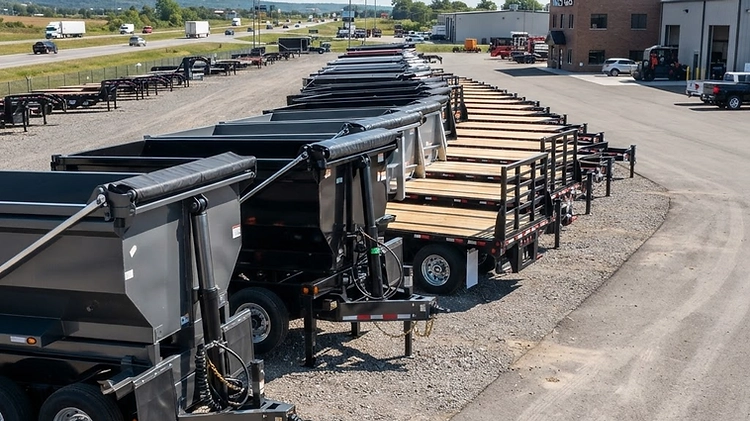
Recent industry data indicates that trailer demand is largely replacement-driven right now, as fleets work through excess capacity and navigate fluctuating spot market rates. With manufacturers seeing a pullback in massive fleet expansions, buyers have a unique opportunity to negotiate better pricing and secure delivery slots for custom builds.
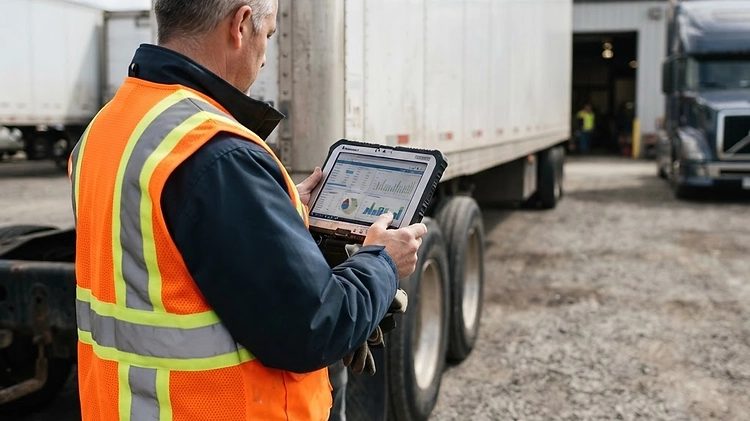
However, this environment also means that capital preservation is paramount. Whether you are hauling construction materials in the Sunbelt or running hotshot routes across the Midwest, your acquisition strategy must account for both short-term cash flow and long-term equity. Understanding the broader economic trends—such as the rising costs of raw materials like steel and aluminum—can help you time your entry into the market. For a deeper dive into material choices, check out our guide on Aluminum vs Steel Trailers: Durability, Payload, Weight & Cost Comparison.
The Advantages of Buying a Trailer
Outright ownership remains the gold standard for operators with stable, high-utilization duty cycles. When you purchase a trailer, you are building equity in a tangible asset that can be depreciated on your taxes and eventually resold or traded in.
Buying makes the most sense when you have predictable, dedicated lanes or a specialized application that requires heavy customization. For example, if you are running a landscaping or construction business and need a reliable dump trailer, purchasing a unit like the 2025 Double-A 7′ X 14′ Dump Trailer w/ High Sides – Pro Series ensures you have the exact specs required for your daily operations without worrying about lease return conditions or mileage limits. Ownership also eliminates the recurring monthly expense of a lease once the financing is paid off, drastically lowering your operating ratio over a 7-to-10-year lifespan.
The Advantages of Leasing a Trailer
Leasing has surged in popularity as a strategic response to freight cycle volatility. It allows fleets to scale capacity up or down based on seasonal demand without committing massive amounts of capital upfront.

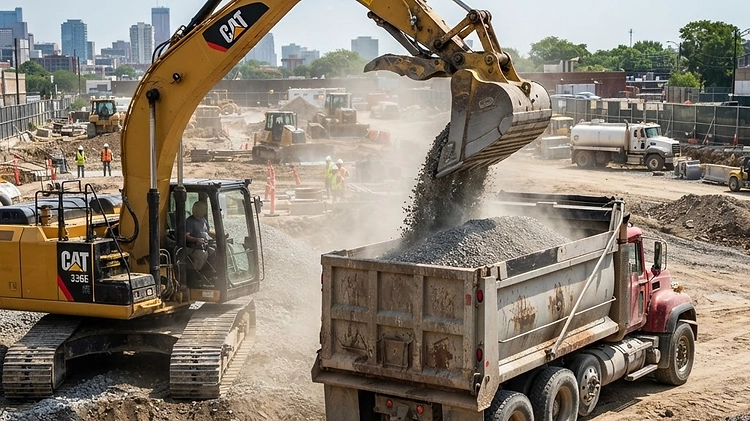
Leasing is particularly advantageous for preserving borrowing capacity and managing cash flow during economic downturns. It also shifts the burden of long-term maintenance and residual value risk back to the lessor. If you operate in regions with harsh weather or corrosive environments—such as coastal areas or northern states with heavy road salt—leasing allows you to cycle into newer equipment before major structural maintenance becomes an issue. For operators looking for trailers for sale in Texas or managing a fleet out of Houston, TX, leasing can provide the flexibility needed to pivot between oilfield hotshot work and general freight as local market conditions dictate.
Key Specifications: What to Look For
Whether you decide to lease or buy, specifying the right equipment is crucial. A poorly spec'd trailer will hurt your profitability regardless of how it is financed. When evaluating your options, consider the following key factors:
- Payload Capacity: Ensure the trailer's Gross Vehicle Weight Rating (GVWR) aligns with your typical loads. Overloading leads to premature wear and DOT violations. Review our Towing Capacity vs. Payload Capacity Guide for detailed sizing metrics.
- Axle Configuration: Tandem vs. tri-axle setups dictate weight distribution and maneuverability.
- Material Construction: Aluminum offers weight savings and corrosion resistance, while steel provides unmatched durability for heavy-duty applications.
- Telematics and Smart Features: Modern trailers increasingly feature IoT tracking, automatic tire inflation systems, and advanced braking technologies.
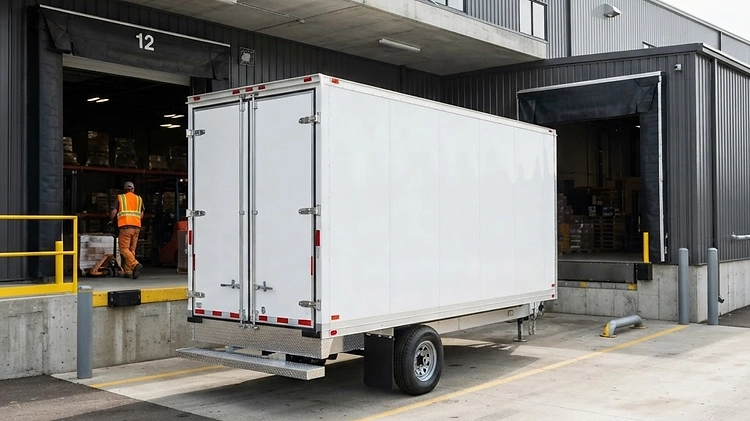
If you are in the market for secure, weather-tight transport, exploring enclosed trailers like the 2025 Universal Trailers 7′ X 14′ Continental Cargo – Tailwind Model is a smart move for protecting high-value cargo.
Cost Comparison: Leasing vs. Buying
To make an informed decision, you must look beyond the monthly payment and analyze the Total Cost of Ownership (TCO). Here is a breakdown of how the two models compare:

| Feature | Buying a Trailer | Leasing a Trailer | | :--- | :--- | :--- | | Upfront Costs | High (Down payment, taxes, registration) | Low (First month, security deposit) | | Monthly Payments | Generally higher (if financed short-term) | Generally lower | | Equity & Ownership | Yes, builds equity over time | No equity, return at end of term | | Maintenance | 100% owner responsibility | Often included or subsidized in full-service leases | | Customization | Unlimited | Highly restricted | | Tax Implications | Depreciation deductions (Section 179) | Lease payments are typically fully deductible |
Ultimately, the choice hinges on your utilization certainty. If your trucks are moving consistently and you have the capital, buying is the most cost-effective long-term strategy. If your contracts are short-term or highly variable, leasing provides a vital safety net.
The Bottom Line
Navigating the choice between leasing and buying requires a clear understanding of your business's cash flow, duty cycles, and long-term growth plans. While leasing offers flexibility and capital preservation during volatile freight cycles, buying remains the superior choice for building equity and minimizing long-term costs on stable routes.
Ready to upgrade your fleet? Explore our complete trailer guides hub for more expert advice, or browse our extensive shop inventory to find the perfect unit for your next haul. If you are operating in the southeast, check out our selection of trailers for sale in Florida to get started today.
Shop Related Trailers
FAQ
Have Questions? We're Here to Help
Still unsure which trailer fits your needs, or need specs, pricing or delivery advice? The Prime Trail Trailers team is ready to answer your questions and help you find the right rig.
Prime Trail Trailers
Prime Trail Trailers is a family-owned trailer dealer in Markle, Indiana, stocking utility, dump, enclosed, equipment, car hauler and gooseneck trailers with nationwide delivery. This guide is based on what our customers ask us most and the trailers we sell every day.
More about Prime Trail Trailers