
Side-to-Side Trailer Weight Distribution: How to Balance Uneven Cargo
Learn why side-to-side trailer weight distribution is just as critical as front-to-back balance, and how to prevent blowouts and suspension failure.
Quick Summary
Learn why side-to-side trailer weight distribution is just as critical as front-to-back balance, and how to prevent blowouts and suspension failure.
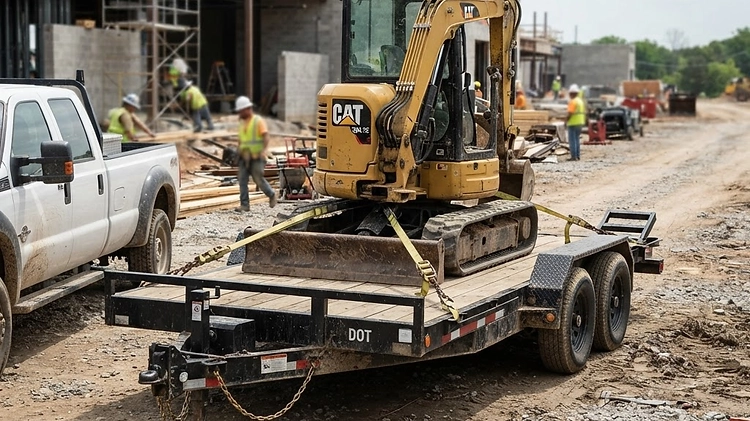
Most towing guides hammer home the importance of the 60/40 rule for front-to-rear weight distribution. While maintaining proper tongue weight is essential for preventing trailer sway, lateral balance—or side-to-side trailer weight distribution—is frequently overlooked. Ignoring how weight is distributed across the width of your trailer can lead to catastrophic tire blowouts, premature suspension failure, and dangerous handling characteristics, especially when hauling heavy equipment or uneven pallets.
Whether you are hauling construction materials on equipment trailers or managing a hotshot route, understanding how to balance your load laterally is a critical component of safe towing. In this guide, we will break down the physics of lateral weight distribution, how to measure it, and best practices for securing uneven cargo.
Why Side-to-Side Weight Distribution Matters
When you load a trailer, the Gross Vehicle Weight Rating (GVWR) and Gross Axle Weight Rating (GAWR) dictate your maximum capacity. However, these ratings assume the load is evenly distributed.
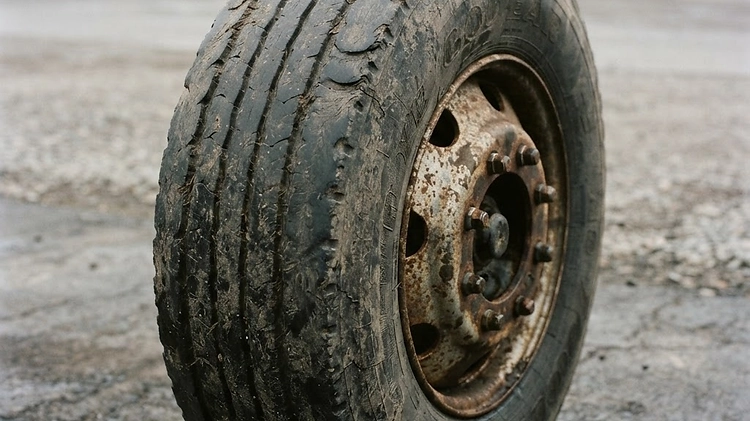
If you place a 4,000-pound generator entirely on the left side of a trailer with a 7,000-pound axle, the left wheels and suspension components are bearing a disproportionate amount of that weight. This lateral imbalance forces the tires on the heavy side to operate near or above their maximum load index, generating excessive heat. According to industry safety standards, front-to-rear weight distribution gets most of the attention, but side-to-side balance is equally important for maintaining vehicle control and preventing component failure.
For more foundational towing math, review our comprehensive Trailer Axle Weight Distribution Guide on the Prime Trail Trailers guides hub.
The Dangers of Lateral Imbalance
Failing to balance your trailer side-to-side introduces several severe risks to both your equipment and your safety on the road.

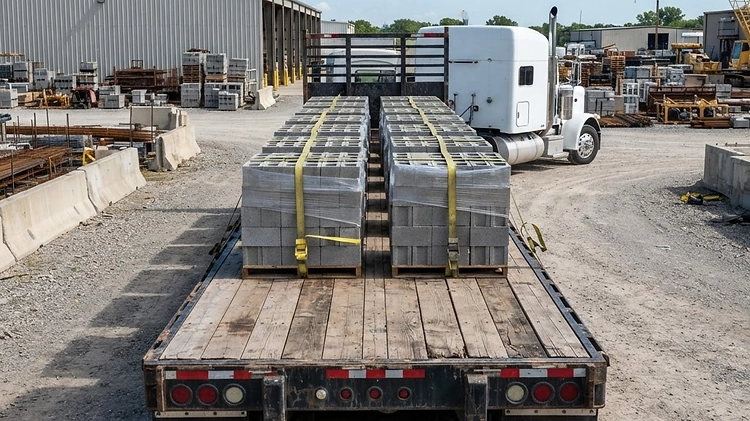
First, uneven weight distribution is a leading cause of trailer tire blowouts. Tires on the heavier side will compress more, increasing their rolling resistance and heat generation. Over long distances, particularly in hot climates like trailers for sale in Texas, this heat degrades the tire's internal structure.
Second, lateral imbalance wreaks havoc on your suspension. Leaf springs and torsion axles are designed to work in tandem. When one side is constantly overloaded, the springs can flatten or break, leading to a sagging trailer and a harsh ride. This is especially critical when outfitting utility trailers with heavy, off-center toolboxes or liquid tanks.
How to Measure Side-to-Side Weight
Determining your lateral balance requires more than just a visual inspection. While a visibly sagging trailer is a clear indicator of a problem, subtle imbalances can be just as dangerous.

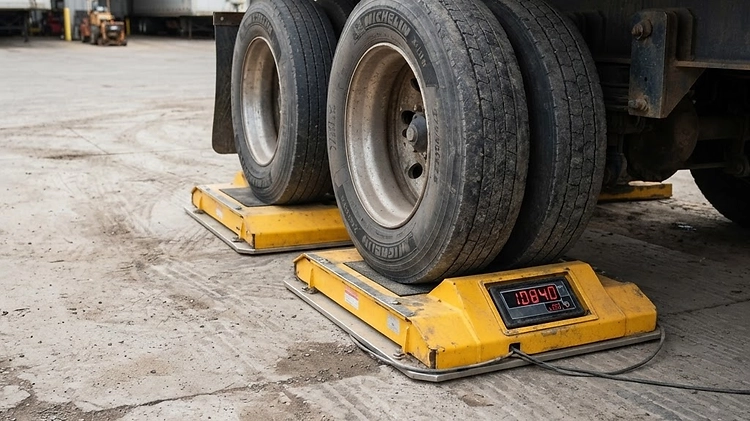
To accurately measure side-to-side weight, you need to use commercial scales. While standard CAT scales provide axle weights, they do not typically provide side-to-side readings unless you can position the trailer so that only one side's wheels are on the scale platform. A better method is using portable wheel load scales, often employed by DOT enforcement. These scales measure the exact weight resting on each individual tire, allowing you to compare the left side against the right side.
If you are upgrading your towing setup, ensure your tow vehicle is equipped to handle the payload. Consider upgrading to a robust 2026 Wil-Ro Utility Truck Bed for better tow vehicle stability.
Best Practices for Loading Uneven Cargo
When dealing with inherently uneven cargo—such as a tractor with a heavy side-mounted attachment, or mixed pallets of varying densities—strategic placement is key.
Always aim to place the heaviest items as close to the longitudinal centerline of the trailer as possible. If you must load a heavy item off-center, you must counterbalance it with another heavy item on the opposite side. For example, if you are loading a heavy piece of machinery on a 2027 Horizon Gravity Tilt Equipment Trailer, ensure the machine's center of gravity aligns with the center of the trailer deck.
Additionally, remember that liquids in tanks can shift during transit. If you are hauling water or fuel, ensure the tanks are either completely full (to prevent sloshing) or properly baffled, and mounted dead center over the axles.
Impact on Trailer Suspension and Tires
Understanding your GAWR is only half the battle. You must also consider the load capacity of your individual tires and wheels.
If your trailer has a 10,000-pound GAWR, each side of the axle is designed to support roughly 5,000 pounds. If your side-to-side distribution is skewed 70/30, the heavy side is supporting 7,000 pounds—exceeding the design limits of the hub, bearings, springs, and tires on that side, even if the total axle weight is within the legal limit. This concept is closely tied to the principles discussed in our Trailer GVWR vs. GAWR Guide.
Bottom Line
Proper side-to-side trailer weight distribution is a non-negotiable aspect of safe towing. By centering heavy loads, counterbalancing uneven cargo, and verifying your wheel weights, you can extend the life of your tires and suspension while ensuring a stable, safe tow. For more expert advice or to find a trailer built for your heaviest loads, explore our full inventory at Prime Trail Trailers or visit our Houston, TX location.
FAQ
Have Questions? We're Here to Help
Still unsure which trailer fits your needs, or need specs, pricing or delivery advice? The Prime Trail Trailers team is ready to answer your questions and help you find the right rig.
Prime Trail Trailers
Prime Trail Trailers is a family-owned trailer dealer in Markle, Indiana, stocking utility, dump, enclosed, equipment, car hauler and gooseneck trailers with nationwide delivery. This guide is based on what our customers ask us most and the trailers we sell every day.
More about Prime Trail Trailers