
How to Start Hot Shot Trucking: 2026 Guide to Trailers, Costs & Requirements
Learn how to start a hot shot trucking business in 2026, including trailer selection, FMCSA requirements, startup costs, and finding high-paying loads.
Quick Summary
Learn how to start a hot shot trucking business in 2026, including trailer selection, FMCSA requirements, startup costs, and finding high-paying loads.
Hot shot trucking remains one of the most accessible and profitable entry points into the commercial freight industry in 2026. With the rise of just-in-time manufacturing and urgent e-commerce fulfillment, the demand for nimble, medium-duty hauling has never been higher. Whether you are hauling construction materials, agricultural equipment, or specialized freight, starting a hot shot business requires careful planning, the right equipment, and strict adherence to federal regulations.
In this comprehensive guide, we will break down everything you need to know to launch a successful hot shot trucking operation. From selecting the perfect trailer to navigating FMCSA compliance and securing your first loads, this article will serve as your roadmap to profitability in the hot shot sector.
What is Hot Shot Trucking?
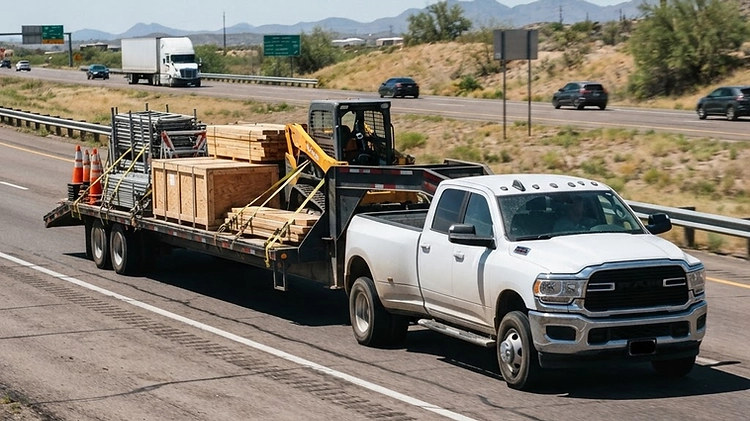
Hot shot trucking involves hauling time-sensitive, less-than-truckload (LTL) freight using medium-duty trucks (typically Class 3-5 pickups like the Ford F-350 or Ram 3500) paired with specialized trailers. Unlike traditional semi-trucks, hot shot setups are highly maneuverable, cost less to operate, and can access tighter delivery locations.

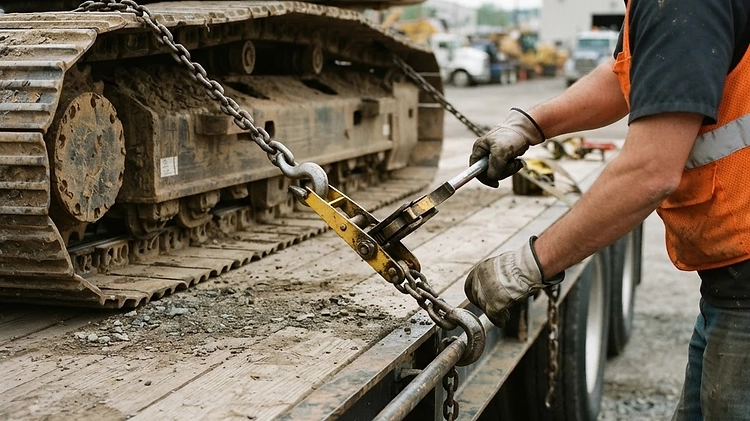
Hot shot drivers often transport construction equipment, oilfield machinery, agricultural supplies, and urgent manufacturing components. The industry is divided into two main categories based on weight:
- Non-CDL Hot Shot: The combined Gross Combined Weight Rating (GCWR) of the truck and trailer is under 26,001 lbs. This is a popular entry point as it does not require a Commercial Driver's License (CDL).
- CDL Hot Shot: The GCWR exceeds 26,000 lbs, allowing for heavier payloads and higher-paying freight, but requiring a Class A CDL.
Choosing the Right Hot Shot Trailer
Your trailer is the backbone of your hot shot business. The type of trailer you choose dictates the freight you can haul and your earning potential. When browsing hotshot trailers, consider the following popular options:
Gooseneck Flatbed Trailers
Gooseneck trailers are the industry standard for hot shot trucking. They offer superior stability, higher payload capacities, and better weight distribution compared to bumper pull trailers. A 35-foot to 40-foot gooseneck flatbed provides ample deck space for diverse loads. For a deep dive into towing dynamics, check out our guide on Bumper Pull vs. Gooseneck Trailers: Towing Capacity & Stability Guide.
Deckover Trailers
Deckover trailers feature a deck situated above the wheels, providing a wider, flat surface without wheel wells obstructing the load. This is ideal for hauling wide pallets, lumber, or oversized equipment. Explore our selection of deckover trailers to see the available configurations.
Tilt Trailers
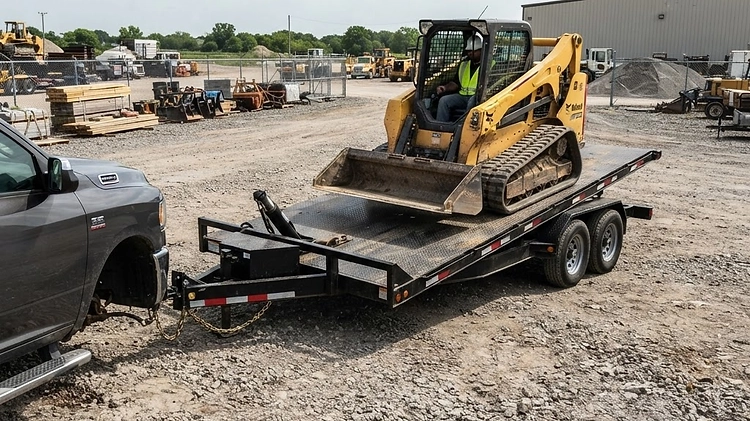
For hauling wheeled equipment like skid steers, tractors, or vehicles, tilt trailers eliminate the need for heavy ramps. The entire deck (or a portion of it) tilts to create a loading incline. This saves time and physical strain during loading and unloading. View our inventory of tilt trailers for efficient equipment transport.

Legal Requirements and FMCSA Compliance
Operating a commercial hot shot business requires strict adherence to federal and state regulations. Failing to comply can result in hefty fines and business closure.
USDOT Number and MC Authority
If you plan to haul freight across state lines (interstate commerce), you must obtain a USDOT Number and Motor Carrier (MC) Authority from the Federal Motor Carrier Safety Administration (FMCSA). This process involves registering your business, paying the required fees, and waiting for the mandatory vetting period.
Commercial Insurance
Proper insurance is non-negotiable. To activate your MC Authority, you must have commercial auto liability insurance (typically a minimum of $750,000, though many brokers require $1,000,000). You will also need cargo insurance (usually $100,000) to protect the freight you are hauling.
Medical Card and Hours of Service (HOS)
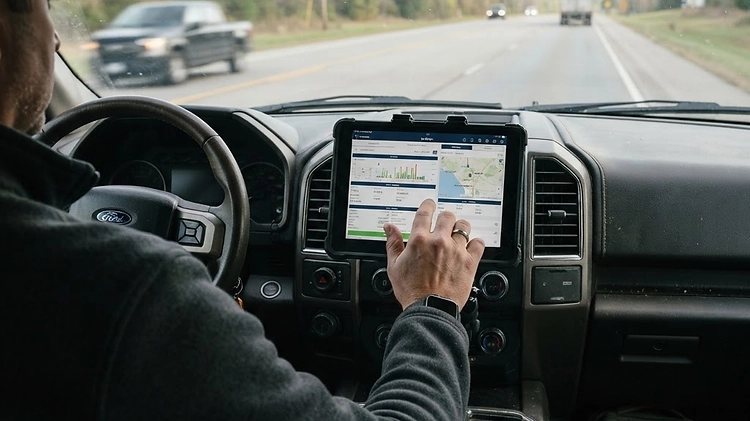
Even if you operate a non-CDL setup, you must pass a DOT physical and carry a valid medical examiner's certificate. Additionally, you must comply with Hours of Service (HOS) regulations, which dictate how long you can drive and when you must rest. Most hot shot drivers use Electronic Logging Devices (ELDs) to track their hours. For more details on compliance, read our article on Federal DOT Trailer Regulations: FMCSA Compliance, Brake Laws & Weight Rules.
Startup Costs and Financial Planning
Starting a hot shot business requires significant upfront capital. Here is a breakdown of typical startup costs:
- Truck: $40,000 - $90,000 (used vs. new)
- Trailer: $10,000 - $25,000 (e.g., a 24ft gooseneck deckover trailer)
- Insurance Down Payment: $1,500 - $3,000
- Registration and Permits (IRP, IFTA, UCR): $1,500 - $2,500
- Equipment (Straps, Chains, Tarps, Binders): $1,000 - $2,000
- Working Capital (Fuel, Maintenance, Living Expenses): $5,000 - $10,000
To manage costs, consider whether leasing or buying makes more sense for your situation. Our guide on Trailer Leasing vs. Buying: Navigating Freight Volatility and Replacement Demand offers valuable insights.

Finding Hot Shot Loads
Once your business is legal and your equipment is ready, you need to find freight. Here are the most common methods:
Load Boards
Load boards like DAT, Truckstop.com, and 123Loadboard are the primary tools for finding hot shot freight. You can search for loads based on your location, destination, and equipment type. Building relationships with the freight brokers who post on these boards is crucial for securing consistent, high-paying freight.
Direct Shippers
Working directly with shippers (manufacturers, construction companies, farmers) eliminates the broker middleman, allowing you to keep 100% of the rate. This requires networking and sales skills but offers the highest profit margins.
Dispatch Services
If you prefer to focus solely on driving, you can hire a dispatch service. For a percentage of the load pay (usually 5-10%), a dispatcher will find loads, negotiate rates, and handle the paperwork on your behalf.
Bottom Line
Hot shot trucking offers a lucrative and flexible path into the commercial freight industry. By selecting the right equipment, maintaining strict compliance, and strategically sourcing loads, you can build a highly profitable business. If you are ready to invest in the foundation of your hot shot operation, explore our extensive inventory of commercial-grade trailers at the Prime Trail Trailers Shop or visit our Guides Hub for more expert advice. For those operating in the Lone Star State, check out our selection of trailers for sale in Texas.
FAQ
Have Questions? We're Here to Help
Still unsure which trailer fits your needs, or need specs, pricing or delivery advice? The Prime Trail Trailers team is ready to answer your questions and help you find the right rig.
Prime Trail Trailers
Prime Trail Trailers is a family-owned trailer dealer in Markle, Indiana, stocking utility, dump, enclosed, equipment, car hauler and gooseneck trailers with nationwide delivery. This guide is based on what our customers ask us most and the trailers we sell every day.
More about Prime Trail Trailers