
Interstate Trailer Weight Limits: 2026 State and Federal Axle Regulations
Navigate 2026 federal and state trailer weight limits, including single and tandem axle regulations, to maximize payload and ensure DOT compliance.
Quick Summary
Navigate 2026 federal and state trailer weight limits, including single and tandem axle regulations, to maximize payload and ensure DOT compliance.
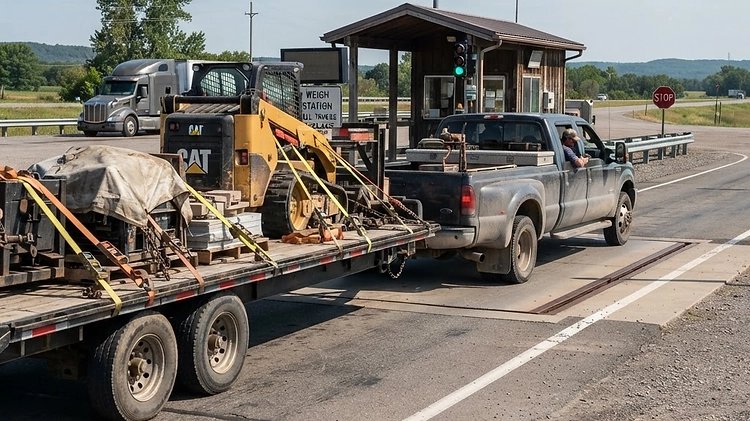
Navigating the complex web of federal and state trailer weight limits is essential for any commercial hauler or heavy-duty towing professional. Whether you are crossing state lines with construction equipment or managing a hotshot transport business, understanding how axle weight regulations impact your legal payload capacity can prevent costly fines and dangerous blowouts. This comprehensive guide breaks down the 2026 interstate weight limits, axle distribution rules, and compliance strategies you need to stay legal on the road.\n\n## Federal vs. State Trailer Weight Limits\n\nWhen towing across state lines, haulers must comply with both federal guidelines and specific state mandates. The federal government establishes maximum weight standards for the National Network (interstates and designated highways), capping the gross vehicle weight at 80,000 pounds. However, individual states often have their own regulations for secondary roads and specific exemptions for agricultural or oversized loads.\n\n
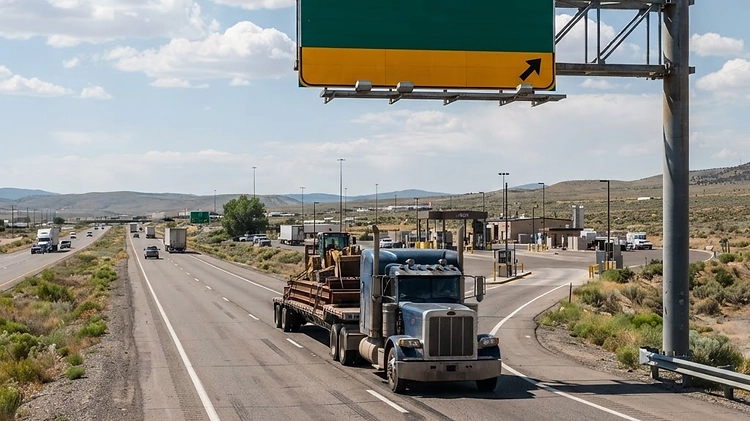
\n\nFor example, haulers looking for trailers for sale in California must adhere to strict Caltrans regulations, which dictate that the gross weight on any one axle shall not exceed 20,000 pounds. Conversely, states with heavy oilfield and agricultural industries, such as those buying trailers for sale in Texas, may offer specific seasonal or industry-related weight permits. Always consult the Department of Transportation (DOT) guidelines for every state on your route, as the lowest weight limit on your journey dictates your maximum legal payload. For more foundational knowledge, visit our guides hub.\n\n## Understanding Single and Tandem Axle Weight Limits\n\nThe distribution of weight across your trailer's axles is just as critical as the total gross weight. Federal law mandates specific limits based on the axle configuration of your trailer to prevent excessive wear on highway infrastructure.\n\n

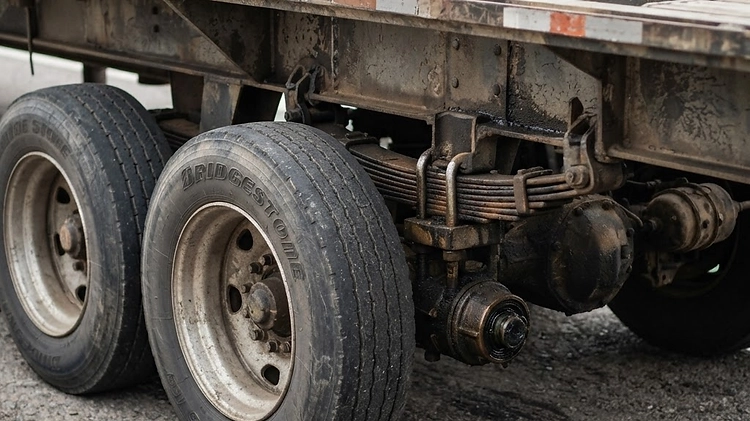
\n\nFor a standard commercial setup, a single axle is legally limited to 20,000 pounds. A tandem axle configuration—where two axles are spaced closely together (typically less than 96 inches apart)—is limited to 34,000 pounds total, or 17,000 pounds per axle. If you are operating flatbed trailers with a spread-axle configuration (axles spaced more than 10 feet apart), each axle is treated as a single axle, allowing up to 20,000 pounds per axle, or 40,000 pounds total. This configuration is highly popular for maximizing payload, though it requires careful load balancing. To understand how this affects your specific setup, review our guide on Trailer GVWR vs. GAWR: Understanding Axle Ratings and Safe Towing Limits.\n\n## The Role of GVWR, GAWR, and GCWR in Legal Hauling\n\nTo remain compliant, you must understand the acronyms stamped on your trailer's VIN plate. The Gross Vehicle Weight Rating (GVWR) is the absolute maximum weight your trailer can safely handle, including its own empty weight (tare weight) and the cargo. The Gross Axle Weight Rating (GAWR) is the maximum distributed weight that a specific axle can support.\n\n

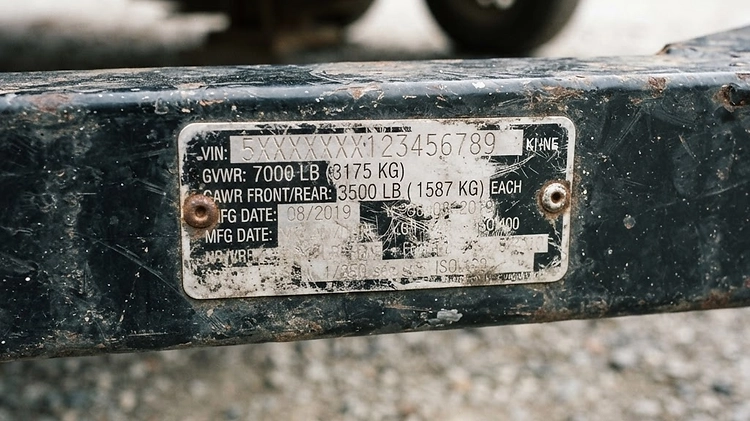
\n\nFurthermore, the Gross Combined Weight Rating (GCWR) dictates the maximum allowable weight of your tow vehicle and trailer combined. You cannot legally or safely exceed any of these individual ratings. For instance, if you are towing a 2026 Horizon FTZ 8.5x40 16k Gooseneck HotShot Trailer, you must ensure that the pin weight transferred to the truck does not overload the truck's rear GAWR, while the remaining weight on the trailer axles stays within the trailer's GAWR. For a deep dive into these calculations, read our Trailer Payload Math Explained article.\n\n## Load Distribution Strategies for DOT Compliance\n\nProper load distribution is the key to maximizing your legal payload without violating axle limits. The industry standard is the 60/40 rule: place 60% of the cargo weight in front of the trailer's axles and 40% behind them. This ensures adequate tongue weight (usually 10-15% for bumper pulls and 15-25% for goosenecks) to prevent dangerous trailer sway while keeping the trailer axles within their legal limits.\n\nWhen loading heavy equipment onto hotshot trailers, use a public CAT scale to weigh your rig. Weighing allows you to see the exact weight on your steer axle, drive axles, and trailer axles. If your trailer axles are overweight but your drive axles are under their limit, you must shift the load forward. Upgrading your tow vehicle with a heavy-duty bed, such as the 2026 BEDBOSS Dually ArmorBed Flatbed Truck Bed, can provide a more stable platform for managing heavy pin weights.\n\n## Key Specifications: 2026 Weight Limit Quick Reference\n\n* Maximum Gross Vehicle Weight (Federal): 80,000 lbs\n* Single Axle Maximum Weight: 20,000 lbs\n* Tandem Axle Maximum Weight: 34,000 lbs\n* Spread Axle Maximum Weight: 40,000 lbs (20,000 lbs per axle)\n* Steer Axle Maximum Weight: Typically 12,000 lbs (varies by tire rating)\n\n## Bottom Line\n\nStaying compliant with interstate trailer weight limits requires a thorough understanding of federal regulations, state-specific laws, and your equipment's exact GAWR and GVWR capabilities. By mastering load distribution and regularly utilizing commercial scales, you can maximize your payload safely and legally. Ready to upgrade your hauling capabilities? Browse our complete inventory in the Prime Trail Trailers shop to find the perfect DOT-compliant trailer for your business.
FAQ
Have Questions? We're Here to Help
Still unsure which trailer fits your needs, or need specs, pricing or delivery advice? The Prime Trail Trailers team is ready to answer your questions and help you find the right rig.
Prime Trail Trailers
Prime Trail Trailers is a family-owned trailer dealer in Markle, Indiana, stocking utility, dump, enclosed, equipment, car hauler and gooseneck trailers with nationwide delivery. This guide is based on what our customers ask us most and the trailers we sell every day.
More about Prime Trail Trailers