
Livestock Trailer Flooring Guide: Wood vs. Rubber vs. Composite
Compare wood, rubber, and composite livestock trailer flooring options to maximize payload, durability, and animal safety for your hauling needs.

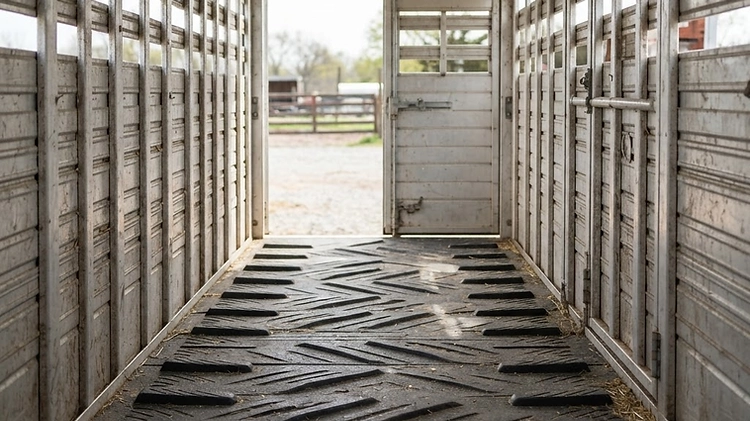
Choosing the right flooring for your livestock trailer is one of the most critical decisions you can make for the safety of your animals and the longevity of your investment. A failing floor isn't just a maintenance headache; it's a severe safety hazard that can lead to catastrophic injuries on the road. With advancements in materials, today's haulers have more options than ever, from traditional treated wood to high-tech composites and poured rubber systems.
In this comprehensive guide, we will break down the pros, cons, and performance characteristics of the most common livestock trailer flooring materials. Whether you are upgrading an older trailer or spec'ing out a new build, understanding these differences will help you maximize payload, reduce maintenance time, and keep your livestock secure.
Traditional Wood Flooring: The Classic Standard
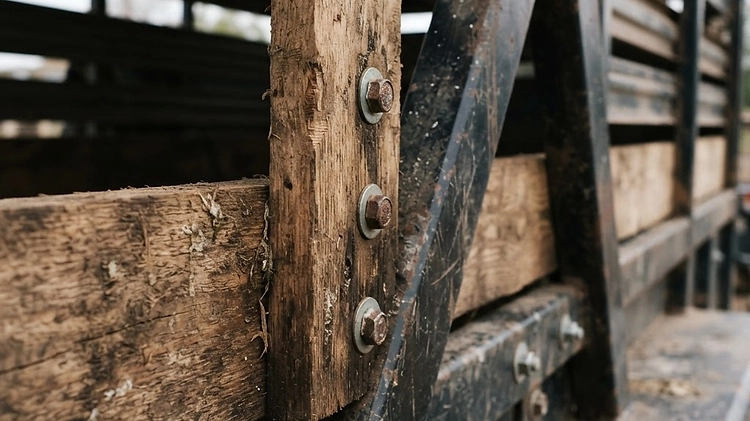
For decades, treated pine and rough oak have been the standard for livestock trailers. Wood is readily available, relatively inexpensive, and easy to replace when a board breaks or rots.
Pros and Cons of Wood
Pros:
- Cost-Effective: Wood is generally the most affordable option upfront.
- Easy Replacement: Individual boards can be swapped out with basic tools.
- Natural Traction: Rough-cut wood provides decent grip for hooves when dry.
Cons:
- Moisture Absorption: Wood absorbs urine and manure, leading to rot and lingering odors.
- Maintenance Heavy: Requires frequent, thorough cleaning and drying to prevent decay.
- Weight: Thick oak boards add significant weight, reducing your overall payload capacity.
If you opt for wood, regular maintenance is non-negotiable. As detailed in our Ultimate Livestock Trailer Sanitation & Maintenance Guide, you must wash out the trailer after every use and allow the boards to dry completely to extend their lifespan.

Rubber Mats and Poured Rubber Systems
To combat the slickness and rot issues of bare wood, many owners add heavy rubber mats or opt for poured-in-place rubber flooring systems like Hoof Grip.
The Rubber Advantage
Rubber flooring significantly improves animal comfort by providing shock absorption, which reduces stress on joints during long hauls.
- Rubber Mats: These are often placed over wood or aluminum floors. While they provide excellent traction, they must be removed periodically (at least twice a year) to clean and dry the subfloor underneath. Failure to do so traps moisture and accelerates rot or corrosion.
- Poured Rubber: Systems like Hoof Grip are permanently bonded to the floor, creating a seamless, porous surface. This eliminates the issue of trapped moisture and curling edges, though it comes at a higher initial cost.
Composite and Poly Flooring: The Modern Solution
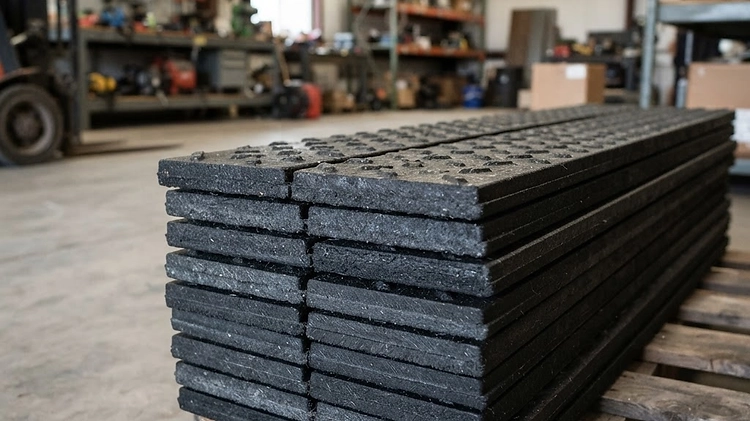
Composite flooring, such as PolyCleat or Shelby Trailer Flooring, represents the latest advancement in livestock transport. Made from recycled plastics and rubber, these engineered planks offer a compelling mix of durability and weight savings.
Why Composites are Gaining Ground
Composite boards are designed to mimic the dimensions of traditional lumber (like a 2x8) but without the drawbacks of organic materials.
- Zero Rot: Composites are non-porous. They do not absorb moisture, urine, or manure, making them impervious to rot and incredibly easy to clean. A quick pressure wash is usually all it takes.
- Weight Savings: Products like PolyCleat are significantly lighter than thick rubber mats or heavy oak. Saving up to 1,000 lbs on trailer weight directly translates to increased payload capacity.
- Built-In Traction: Many composite boards feature molded cleats or lugs to provide permanent, slip-resistant footing for livestock.

Aluminum Flooring: Lightweight but Requires Care
Many premium livestock trailers, such as those from Big Bend and WW, feature aluminum floors. Aluminum is prized for its exceptional strength-to-weight ratio and natural rust resistance.
Managing Aluminum Floors
While aluminum won't rust like steel or rot like wood, it is susceptible to corrosion from the high ammonia content in livestock urine.
- Corrosion Prevention: Bare aluminum floors must be washed out meticulously. Many owners use rubber mats over aluminum to protect the metal and provide traction, but again, the mats must be pulled regularly to clean underneath.
- Traction Issues: Bare aluminum is extremely slick when wet. It should never be used without mats or a specialized textured coating.
For a deeper dive into material differences, check out our Aluminum vs Steel Trailers: Durability, Payload, Weight & Cost Comparison.
What to Look For When Upgrading Your Floor
If you are replacing an old floor, consider the following factors before making a purchase:
- Subframe Condition: Before installing new flooring, inspect the steel or aluminum crossmembers. If the supports are rusted or compromised, even the best composite board will fail.
- Weight vs. Payload: Calculate how the flooring material affects your Gross Vehicle Weight Rating (GVWR). Lighter floors mean you can haul more cattle. Learn more in our Towing Capacity vs. Payload Capacity Guide.
- Installation Method: Ensure you use the correct fasteners. Composite and wood boards should be secured with self-tapping screws directly into the crossmembers, typically with two screws per joint.

Bottom Line
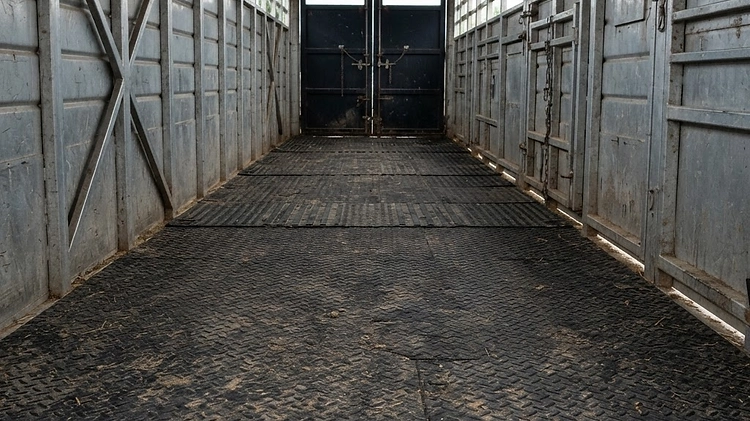
The right livestock trailer flooring balances animal safety, ease of maintenance, and payload capacity. While wood remains a budget-friendly starting point, upgrading to composite planks or a seamless rubber system offers long-term savings through reduced maintenance and zero rot.
Ready to find a trailer built with the right materials for your herd? Browse our current inventory of livestock trailers or check out specific models like the 2026 Big Bend 16'X6' BP and the 2027 WW AA 5X12 at Prime Trail Trailers.
Shop Related Trailers
FAQ
Have Questions? We're Here to Help
Still unsure which trailer fits your needs, or need specs, pricing or delivery advice? The Prime Trail Trailers team is ready to answer your questions and help you find the right rig.